Is George L. Taber Azalea Deer and Rabbit Resistant?
The Direct Answer: Deer Resistance
Is George L. Taber Azalea deer resistant?
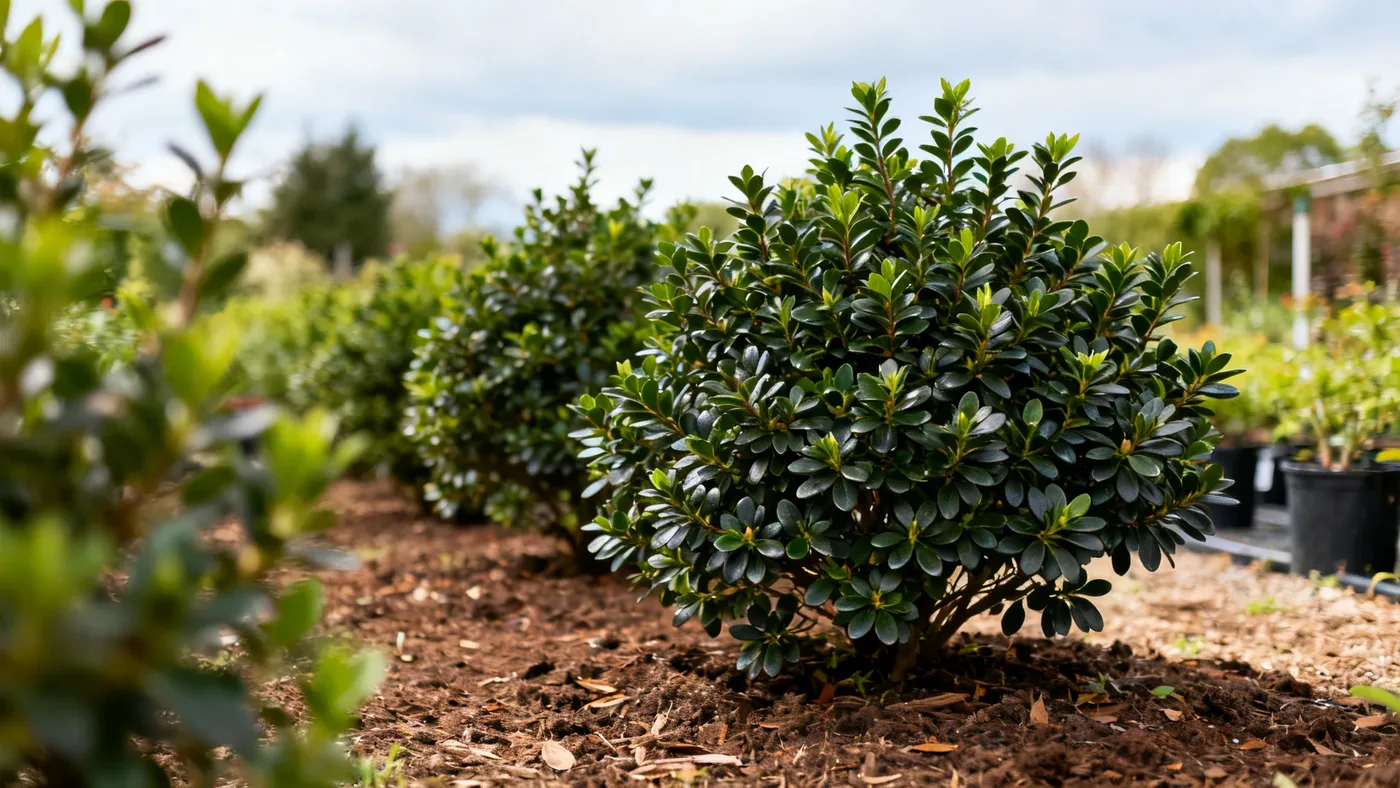
No. George L. Taber Azalea has poor deer resistance and is a preferred deer browse in most regions. If white-tailed deer are active in your area, this evergreen shrub will likely be browsed over time, especially during winter when other forage is scarce. The plant's small, glossy foliage and accessible branching structure make it an easy target for deer.
Why do deer eat azaleas if they're toxic?
Azaleas contain grayanotoxins that can cause vomiting, drooling, and cardiac issues in animals, but these toxins do not stop deer from browsing them. Deer have different sensitivity to grayanotoxins than some other animals, and they often browse azaleas without apparent immediate harm, particularly when other preferred foods are scarce. The plant's nutritional value as forage outweighs the deer's perception of toxin risk, especially in winter months.
How much damage can deer do to a George L. Taber Azalea?
Deer damage ranges from light branch tip browsing to severe defoliation that can kill young plants or set back established shrubs by years. A mature George L. Taber Azalea (6-10 feet tall) can sustain moderate browse and recover if the damage does not exceed 30-40% of the canopy in a single season. Repeated heavy browsing year after year will gradually weaken the plant and reduce flowering.
Are George L. Taber Azaleas more vulnerable than other azalea varieties?
George L. Taber Azalea is typical for Southern Indica azaleas in terms of deer preference and is not singled out as especially vulnerable or especially resistant. All azaleas are acceptable deer browse, though some regional preferences may vary slightly. Your best defense lies in prevention strategies rather than relying on the shrub's cultivar to deter deer.
Rabbit Resistance and Small Herbivore Damage
Are George L. Taber Azaleas rabbit resistant?
George L. Taber Azalea is not specifically documented as rabbit resistant. While rabbits prefer softer herbaceous plants over woody evergreen shrubs, they will browse azalea foliage and young tender shoots when other food options are limited, particularly in winter and early spring. Rabbit damage is typically less severe than deer damage but can still be problematic for young plantings.
What is the difference between deer and rabbit damage?
Deer leave jagged, torn edges when they browse because they lack upper front teeth and tear plant material. Rabbits make clean, angled cuts with their sharp teeth, typically at a 45-degree angle, and damage is usually confined to shoots under one-half inch in diameter. Rabbits also leave small droppings at the site, while deer leave larger pellets or no droppings if passing through quickly.
Do rabbits eat the woody stems or just foliage?
Rabbits primarily browse the soft foliage and tender new shoots of azaleas but will girdle thin woody stems in winter when tender vegetation is unavailable. Complete girdling of stems kills the branch beyond that point. Young George L. Taber Azaleas with stem diameter under one-quarter inch are at higher risk than established shrubs with thicker, tougher bark.
Timing and Signs of Herbivore Pressure
When is deer pressure highest on George L. Taber Azaleas?
Deer browse azaleas most heavily in late fall, winter, and early spring when natural food sources are scarce. From November through March, your George L. Taber Azalea is at greatest risk, particularly in regions where snow cover eliminates ground-level foraging. In mild winters, pressure may ease somewhat, but established deer populations will target azaleas consistently year-round.
What are the first signs of deer browse on azaleas?
Look for missing branch tips and foliage along the lower to middle canopy (roughly 2-5 feet high, the natural reach of a browsing deer). The browsed areas appear ragged and torn, and you may notice bare branches where whole shoots have been removed. If pressure is ongoing, the shrub takes on an unnatural, rounded or flat-topped appearance as deer consistently remove the taller growing tips.
Can you tell the difference between deer and rabbit damage on sight?
Yes, if you examine the cut edges closely. Deer damage shows ragged, torn edges and affects branches and foliage at varying heights up to 5-6 feet. Rabbit damage shows clean, angled cuts, usually in a narrow band near the ground (under 2 feet), and is most obvious on thin twigs. Deer damage is also much more extensive in area, while rabbit damage is often localized to a few shoots.
Practical Prevention Strategies
What is the most effective deer deterrent for azaleas?
Physical exclusion with sturdy fencing is the most effective method. An 8-foot tall fence, or a slanted fence at 6 feet, reliably prevents deer access. If a full fence is not practical, individual plant cages or tube guards around young plants provide excellent protection. Chemical repellents (spray products) are less reliable than fencing but may reduce browse pressure by 40-70% if reapplied every 3-4 weeks, especially after rain.
Do deer fencing and netting work for George L. Taber Azaleas?
Yes, both work when installed correctly. Rigid fencing (wood, vinyl, or metal) at 8 feet tall prevents deer from jumping over or pushing through. Netting or mesh can protect individual shrubs if secured firmly at the base and top, though netting requires removal in spring after deer pressure drops to avoid damaging new growth. An established George L. Taber Azalea at full size (6-10 feet tall) is often easier to fence as a group than individually, and a property perimeter fence protects all plants simultaneously.
Can repellent sprays protect George L. Taber Azaleas?
Deer repellents containing capsaicin, predator urine, or egg-based compounds can deter browsing if applied regularly and reapplied after rain or every 3-4 weeks. Results vary by product, local deer population density, and food scarcity; they work best as part of a layered approach, not as a standalone solution. Repellents are less effective during severe winters when deer pressure is highest and deer are motivated to browse despite deterrent smells.
Should I use multiple deterrent methods together?
Yes. Combining physical barriers (fencing or tree guards) with regular repellent spray applications significantly reduces browse pressure more than either method alone. The combination approach keeps motivated deer away while also providing a backup if one method is compromised. If installing a perimeter fence, additional repellent sprays on highly favored plants offer extra insurance.
Is it worth protecting a single George L. Taber Azalea from deer?
For a young or recently planted shrub, protection is worthwhile because a few seasons of unprotected browsing can severely weaken or kill it. For an established 6-10 foot shrub, individual protection is less practical; you will need a large cage or substantial fence around one plant. In that case, assessing whether your overall deer pressure makes azaleas viable in your landscape may be more sensible than protecting a single shrub indefinitely.
Recovery and Management
Can a heavily browsed George L. Taber Azalea recover?
Yes, if browse damage does not exceed 40-50% of the canopy and the deer pressure is then controlled. Azaleas have moderate regrowth capacity and will reshoot from bare branches within a few weeks in the growing season. However, if a shrub is heavily browsed year after year without protection, it will gradually weaken, produce fewer blooms, and eventually die; a single season of heavy damage is recoverable, but chronic browsing is not.
When should I prune deer-damaged branches?
Wait until late winter or early spring (February-March in most zones) to prune away completely bare branches that show no regrowth. Prune immediately after flowering (late spring) to shape the shrub and remove partially damaged canes that are healing poorly. For detailed pruning guidance, see our George L. Taber Azalea pruning guide.
Should I replant if deer consistently damage my George L. Taber Azalea?
If you cannot install effective fencing or deterrents, and your area has a high deer population, replanting with more resilient shrubs or installing perimeter protection is more practical than repeatedly replacing damaged plants. If deer pressure is manageable with a fence or if the shrub provides other value (screening, massed color), protection is worth the effort. Consult your local extension service to assess local deer pressure and options in your area.
Companion Planting and Alternatives
What companion plants pair well with George L. Taber Azaleas in deer country?
Plant George L. Taber Azaleas alongside more deer-resistant companions such as hollies, camellias, ferns, and hostas (which deer browse less frequently than azaleas). Dogwoods can provide shade and structure. Using a mixed hedge of resistant and semi-resistant plants creates a more balanced landscape if you cannot fence the entire garden. For a full care overview, see our George L. Taber Azalea care guide.
Are there attractive shrubs I should plant instead of George L. Taber Azalea?
If deer pressure is severe and protection is not feasible, boxwoods, viburnums, privet, and some spirea varieties are browsed less frequently than azaleas, though not completely resistant. Evergreen alternatives with similar landscape value include cherry laurel and Japanese aucuba. However, no shrub is completely deer-proof; local deer populations and available forage determine browsing patterns more than plant species alone.
Can I grow George L. Taber Azalea successfully in a high-deer area?
Yes, if you install perimeter fencing (8 feet tall or 6-foot slanted) that protects the entire planting area. Alternatively, young shrubs can be protected individually with sturdy cages until they reach 5-6 feet tall. Regular repellent applications offer supplemental protection but should not be your only strategy in areas with dense deer populations. The commitment to long-term protection should be part of your decision to plant George L. Taber Azaleas in such regions.
Quick Reference: Deer and Rabbit Resistance at a Glance
| Factor | George L. Taber Azalea | Notes |
|---|---|---|
| Deer Resistance | Poor | Preferred browse in most regions; no cultivar advantage |
| Rabbit Resistance | Not Documented | Rabbits will browse, especially young plants and winter shoots |
| Peak Browsing Season | November-March | Highest pressure in deep winter when forage is scarce |
| Most Effective Deterrent | 8-foot Fencing | Physical exclusion; netting for individual young plants also effective |
| Repellent Effectiveness | 40-70% Reduction | Requires reapplication every 3-4 weeks and after rain |
| Recovery from Browse Damage | Good (if less than 50% damage) | Single-season damage is recoverable; chronic browsing weakens the plant |
| Mature Height | 6-10 feet | Established shrubs are less practical to protect individually |
| Recommended Protection Strategy | Perimeter Fence plus Repellent | Layered approach most reliable in high-deer areas |