Is George L. Taber Azalea Toxic to Pets and Children?
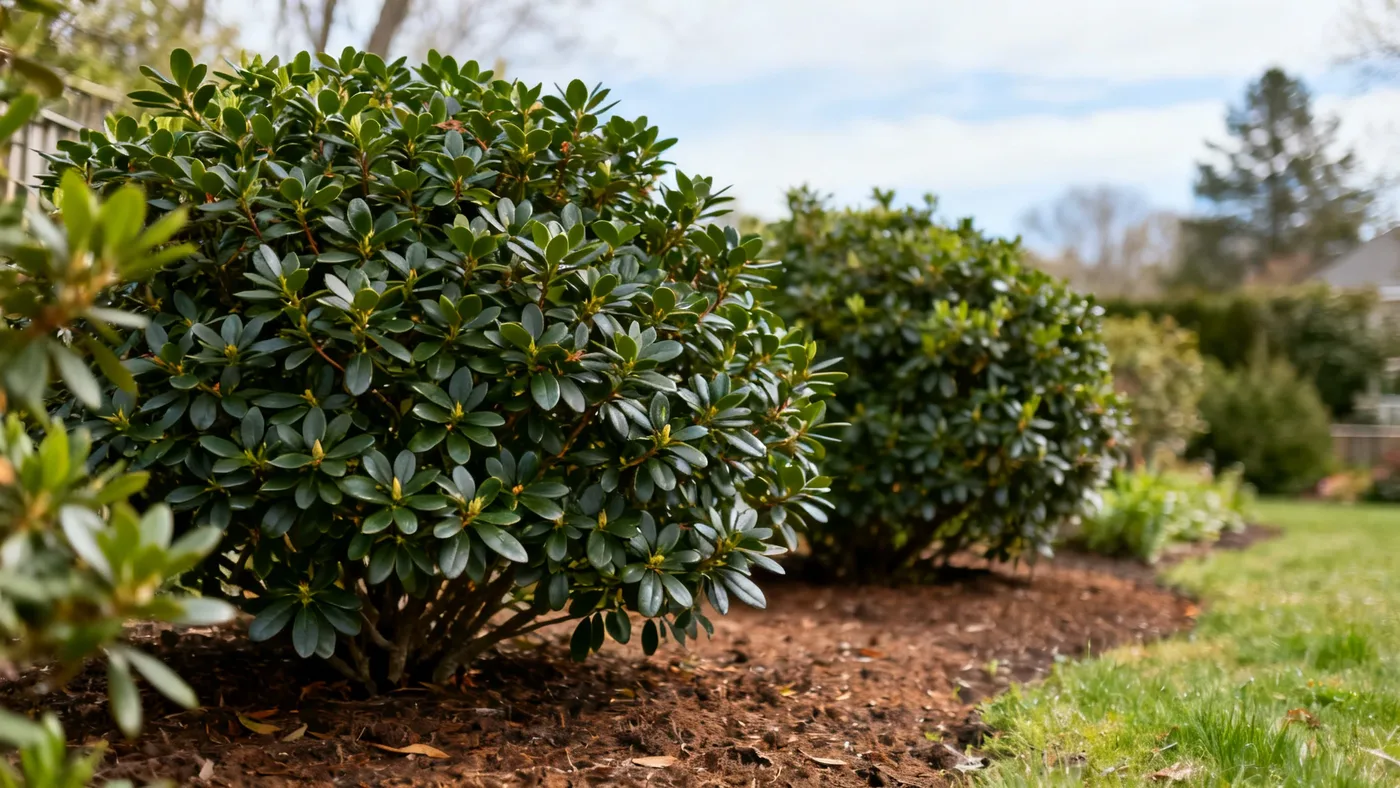
George L. Taber Azalea is a beautiful evergreen shrub prized for its light orchid-pink flowers with a distinctive magenta blotch. It grows 6 to 10 feet tall and makes an excellent foundation planting or specimen shrub in zones 7 to 10. However, if you have dogs, cats, or young children, you need to know one important fact: all parts of this plant are toxic if ingested. This guide answers the questions homeowners and landscapers ask most about safety and this azalea.
Is It Actually Toxic?
What makes George L. Taber Azalea toxic?
George L. Taber Azalea contains grayanotoxins, alkaloid compounds found throughout the Rhododendron genus. Grayanotoxins are present in the leaves, stems, flowers, and even nectar of this plant. When ingested, these compounds disrupt nerve and muscle function by affecting how cells handle sodium and potassium. Because this is a cultivar bred from Asian Rhododendron indicum hybrids, it inherited the same toxin profile as wild species.
Are all parts of the plant toxic?
Yes, all parts contain grayanotoxins. The leaves and stems pose the greatest risk because they have the highest toxin concentration, but flowers, roots, and even dried leaves are toxic. If you're pruning this shrub, wear gloves and avoid touching your face before washing your hands. Never compost the foliage where pets might access it, and dispose of trimmings securely.
How toxic is George L. Taber Azalea compared to other plants?
Azaleas are among the more toxic ornamental shrubs that homeowners plant intentionally. The grayanotoxins are potent, and even a small amount of foliage can cause noticeable symptoms in a dog or cat. Unlike some plants that require large quantities to cause harm, azaleas should be treated as a genuine household hazard if you have curious pets or toddlers.
Dogs and Azalea Toxicity
Is George L. Taber Azalea toxic to dogs?
Yes, it is toxic to dogs. Dogs are curious animals and may chew on leaves, bark, or flowers, especially if they are bored or stressed. Even a single leaf can make a dog sick. Because George L. Taber grows 6 to 10 feet tall, it may be within reach of a dog's nose or mouth, particularly when the new growth appears in spring or after pruning.
What are the signs that a dog has eaten part of an azalea?
Symptoms of azalea toxicity in dogs typically begin within 2 to 8 hours of ingestion. Early signs include drooling, vomiting, and loss of appetite. As toxicity progresses, a dog may show depression, diarrhea, and weakness. In severe cases, grayanotoxins affect the heart and can cause abnormal heartbeat, low blood pressure, and even collapse. If your dog has chewed on this plant, contact your veterinarian or poison control immediately, even if symptoms have not yet appeared.
How much of the plant does a dog need to eat to get sick?
There is no safe threshold. The amount of toxin depends on the dog's size, the part of the plant ingested, and the plant's age (older leaves may have higher toxin levels). A small dog chewing even a few leaves could show symptoms, while a larger dog might require more. The safest approach is to assume any ingestion is dangerous and seek immediate veterinary help.
Should I avoid planting George L. Taber Azalea if I have dogs?
Not necessarily. Many homeowners grow azaleas safely alongside dogs by planting them where dogs cannot easily access them, such as in a fenced perimeter bed, elevated planter, or screened garden area away from dog runs. Consistent training and supervision also help. However, if your dog has a strong history of eating plants or you cannot secure the area, choosing a non-toxic alternative is wiser than managing constant risk.
Cats and Other Pets
Are George L. Taber Azaleas toxic to cats?
Yes, they are toxic to cats. Cats are less likely than dogs to chew on woody shrub foliage, but indoor cats and young, curious outdoor cats will nibble ornamental plants. If a cat ingests azalea leaves, the same gastrointestinal and cardiac effects apply. Vomiting, drooling, lethargy, and loss of appetite are common early signs in cats.
What about rabbits, guinea pigs, and small pets?
All small mammals can be harmed by grayanotoxins. Rabbits, guinea pigs, hamsters, and chinchillas are herbivores and are more likely to nibble plant foliage than carnivorous pets. If you keep these animals indoors or in an outdoor run, keep this azalea far away from their enclosures. Even small amounts of foliage can make these small animals seriously ill.
Is George L. Taber Azalea safe to plant in a garden where birds visit?
Birds are generally safer around azaleas than mammals. However, some bird species do eat buds and flowers. If you are concerned, consult local ornithology guides for your region (zones 7 to 10). The bigger risk is to bees and hummingbirds that visit the flowers for nectar; while they are attracted to this azalea, consuming the nectar is not known to harm them in the same way it harms mammals.
Children and Household Safety
Is George L. Taber Azalea safe for homes with young children?
Grayanotoxins pose a real risk to toddlers and young children who might put leaves in their mouths. If you have children under age 5, or children who explore the garden without constant supervision, consider whether planting this azalea fits your family's safety needs. The plant should be located where children cannot easily reach it, ideally behind a fence or in a dedicated adult-only garden bed.
What should I do if a child ingests part of this azalea?
Contact Poison Control immediately (1-800-222-1222 in the United States) or your local emergency services. Do not wait for symptoms to develop. Tell them the child's age, weight, the time of ingestion, and which part of the plant was eaten if possible. The grayanotoxin can affect the gastrointestinal system and heart, so professional assessment is essential even if the amount seems small.
Symptoms and What to Do
What are the most common symptoms of azalea poisoning?
Vomiting and drooling are often the first signs. Within hours, an affected person or animal may experience nausea, loss of appetite, abdominal pain, and diarrhea. These gastrointestinal effects are distressing but not immediately life-threatening. However, grayanotoxin's effects on the cardiovascular system are the serious concern: abnormal heart rhythm, low blood pressure, weakness, and in severe cases, cardiac collapse can occur.
How quickly do symptoms appear after ingestion?
Symptoms typically begin within 2 to 8 hours, but the onset can vary based on the amount and type of tissue ingested. Gastrointestinal symptoms (drooling and vomiting) usually appear first. Cardiovascular effects may develop more slowly over several hours or even a day. Do not wait to see if symptoms develop on their own; seek medical help immediately if ingestion is suspected.
What should I do if my pet eats this azalea?
Call your veterinarian or a pet poison control line right away. Have ready your pet's weight, the time ingestion occurred, and the part of the plant eaten. Do not induce vomiting without veterinary guidance. Your vet may recommend monitoring, supportive care with IV fluids, or activated charcoal if ingestion was very recent. Time is critical, so do not delay calling.
Is there an antidote for azalea poisoning?
There is no specific antidote for grayanotoxin. Treatment is supportive, meaning your veterinarian or doctor will manage symptoms and monitor heart function and blood pressure. Activated charcoal may reduce absorption if given very soon after ingestion. Most cases recover with supportive care, but severe poisonings can be fatal, which is why rapid medical attention is essential.
Growing This Azalea Safely
How can I grow George L. Taber Azalea safely if I have pets?
Plant it in a location physically separated from where your pets spend time: a fenced perimeter bed, behind a gate, or in a raised planter elevated above pet nose height. This shrub grows 6 to 10 feet tall, so a ground-level planting is riskier than a location where it cannot be accessed. Train your pets not to investigate certain areas, and supervise outdoor time, especially in spring when young leaves are most tender and tempting.
What about newly planted specimens? Are they riskier?
Young, newly planted specimens in containers or with fresh growth may be more tempting to a curious dog or cat because new foliage is tender and softer to chew. An established shrub 5 to 7 years old has established its size and may be more difficult for a small dog to access if sited high or behind a barrier. Ongoing management and pet awareness are what matter most.
Should I use a fence or barrier around it?
If you have high-risk pets (young dogs who chew, or curious outdoor cats), a physical barrier is a practical solution. A small fence around the planting area or a raised bed keeps the shrub out of reach and gives you peace of mind. This approach works especially well for smaller yards where planting the azalea far away is not an option. The shrub grows well in containers and planter beds, making barriers feasible.
What non-toxic shrubs can I plant instead?
If you decide an azalea is too risky for your household, many safe flowering shrubs thrive in the same conditions. Camellias, dogwoods, ferns, and hydrangeas are excellent companion plants and are not toxic to pets. Consult your local nursery or extension service for non-toxic shrubs suited to your zone (7 to 10 for this region). A comprehensive care guide can help you explore these options and make a safe choice for your landscape.
Related Resources
For detailed growing instructions and care tips for this plant, read our George L. Taber Azalea care guide. To understand the mature size and spacing needs for your landscape, see our guide on how large this azalea grows.
Quick Safety Reference
| Question | Answer |
|---|---|
| Is it toxic? | Yes, all parts contain grayanotoxins |
| Toxic to dogs? | Yes; symptoms in 2-8 hours |
| Toxic to cats? | Yes; less likely to chew but still at risk |
| Toxic to children? | Yes; keep out of reach of toddlers |
| First symptoms? | Drooling, vomiting, loss of appetite |
| Serious symptoms? | Abnormal heartbeat, low blood pressure, weakness |
| What to do if ingested? | Call vet or Poison Control immediately (1-800-222-1222) |
| Is there an antidote? | No; treatment is supportive care only |
| How to grow it safely? | Plant in fenced/elevated area away from pets |
| Mature height/width? | 6-10 feet tall and wide |
| USDA Zones? | 7-10 (most reliable in zones 8-9) |