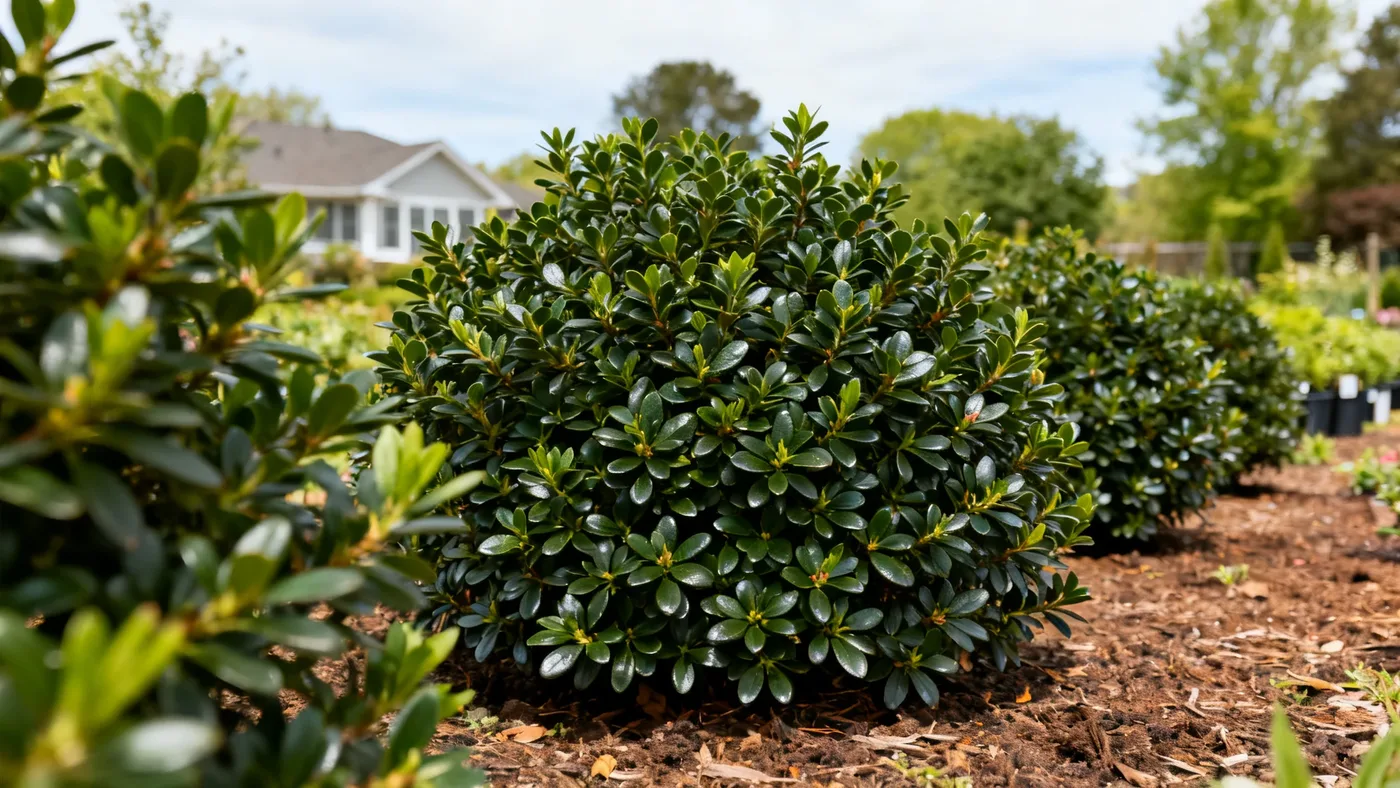
George L. Taber Azalea Care Guide: The Complete Basics
Key Takeaways
- George L. Taber azaleas thrive in USDA zones 7-10, with zones 8-9 being most reliable
- Requires acidic soil (pH 4.5-6.0) and consistent moisture; does not tolerate drought
- Prune immediately after spring bloom; avoid late-season pruning to preserve next year's flower buds
- Space plants 4-6 feet apart for hedges; allows mature specimens to reach 6-10 feet tall
- Light afternoon shade and morning sun are ideal; full sun may trigger spider mite damage
Table of Contents
- Understanding the George L. Taber Azalea
- Choosing the Right Location
- Soil Preparation and Planting
- Watering and Moisture Management
- Seasonal Care Calendar
- Pest and Disease Management
- Pruning and Shaping
- Fertilizing Essentials
Understanding the George L. Taber Azalea
The George L. Taber azalea, botanically named Rhododendron × 'George Lindley Taber', is a Southern Indica hybrid evergreen shrub developed in the early 20th century at Glen Saint Mary Nurseries in Florida. Unlike deciduous azaleas, this cultivar holds its dark green, glossy foliage year-round, providing structure to the garden even when flowers fade. The plant produces distinctive light orchid-pink blooms with a deeper reddish-purple blotch on the upper petals, appearing in mid to late spring.
In the Deep South, blooms arrive as early as March, while gardeners in northern zones within its range (zone 7) may wait until late April or May. The flowers have little to no fragrance, but their abundance and distinctive coloring make them a striking focal point. A mature George L. Taber azalea reaches 6-10 feet in height and width, making it suitable for foundation plantings, hedges, mass plantings, and specimen use.
Choosing the Right Location
Light exposure is one of the most critical factors for success with George L. Taber azaleas. This cultivar performs best in part shade to filtered sun, with morning sun and afternoon shade being the ideal combination. Morning light energizes the plant for the day while afternoon shade, especially in warmer zones, prevents stress and reduces pest pressure.
If you're gardening in zones 9-10, provide afternoon shade to protect foliage from scalding heat. Zone 8 gardeners can use more sun, though some afternoon protection is still beneficial. In zone 7, where this cultivar is less reliably hardy, choose a sheltered spot away from strong winter winds.
Full sun exposure frequently triggers azalea lace bug infestations, which cause fine yellow stippling on the leaves and weakened growth. A location under tall deciduous trees, on the north side of a building, or with dappled shade from nearby shrubs works exceptionally well.
Hardiness and Zone Considerations
George L. Taber azaleas are reliable in USDA zones 8-9 throughout the Deep South and Gulf Coast regions. Zone 10 gardeners can grow this cultivar successfully in the warmest microclimates. Zone 7 is the northern limit of its range, and even there, older specimens planted in favorable years may reach 10-12 feet in the deepest South. Choose a protected site in zone 7 with afternoon shade and shelter from winter wind.
Soil Preparation and Planting
Acidic Soil Is Non-Negotiable
George L. Taber azaleas require acidic, well-drained soil with a pH between 4.5 and 6.0. Alkaline or neutral soil triggers chlorosis (yellowing of the leaves), severe stunting, and eventual decline. If your soil is not naturally acidic, you have two options: amend it heavily before planting, or grow the shrub in a container where you can control the soil mixture.
Before planting, collect a soil sample and test the pH through your local extension service. If your pH is above 6.5, incorporate peat moss, sulfur, or compost made from pine bark into the planting hole and surrounding area. A 50/50 mixture of native soil and acidic amendment is a reliable starting point.
Planting Steps
The best planting times are fall or early spring, avoiding the heat of summer. Dig a hole slightly wider than the root ball and no deeper; the top of the root ball should sit level with the soil surface. Azaleas have shallow, fibrous roots that rot quickly if buried too deep.
- Loosen the root ball gently by hand; do not score the sides with a knife
- Set the plant in the hole at the proper depth
- Backfill with your acidic soil mixture, tamping gently as you go
- Water thoroughly to settle the soil and eliminate air pockets
- Apply 2-3 inches of mulch around the base (pine bark or composted pine needles work well)
Space plants 4-6 feet apart if creating a hedge or mass planting. For specimen use or in foundation settings, allow 6-8 feet for air circulation and full mature width development.
Watering and Moisture Management
George L. Taber azaleas have low drought tolerance. Their shallow root system dries out quickly, and consistent moisture is essential from spring through fall. Aim for evenly moist (not soggy) soil at all times during the growing season.
Watering Schedule
In the first year after planting, water weekly if rainfall does not provide 1 inch per week. As the plant matures and roots establish deeper, watering can become less frequent, but never allow the soil to dry out completely between waterings. During hot summers or in containers, check soil moisture every 2-3 days.
Water at the base of the plant in the early morning. Overhead watering wets the foliage and encourages fungal diseases. During blooming season, be especially careful not to splash water onto open flowers, as petal blight (Ovulinia) spreads through water splash.
The Container Exception
George L. Taber azaleas are suitable for containers, particularly young specimens or smaller cultivars. Pot sizes from 3-gallon upward work well. Use a soil blend of one part perlite, one part peat moss, and one part pine bark or composted bark. In containers, check soil moisture 2-3 times per week during the growing season, as pots dry faster than in-ground beds.
Seasonal Care Calendar
| Season | Task | Details |
|---|---|---|
| Early Spring (Feb-Mar) | Fertilize and prune | Apply light feeding with acid-forming azalea/camellia fertilizer. Prune immediately after bloom ends. |
| Mid to Late Spring (Mar-May) | Bloom and flower buds set | Monitor for petal blight in wet springs. Next year's flower buds form shortly after bloom ends; do not prune. |
| Summer (Jun-Aug) | Monitor moisture and pests | Water consistently. Watch for lace bug stippling and spider mites. Avoid fertilizing. |
| Fall (Sep-Nov) | Continue watering | Maintain consistent moisture through early fall. Reduce watering as temperatures cool. In zone 7, watch for early frost damage. |
| Winter (Dec-Feb) | Minimal care | Water only during dry spells. Foliage may take on a bronze-purple tint in cold winters; this is normal. |
Pest and Disease Management
Common Pests
Azalea lace bugs are the most damaging pest, causing fine yellow stippling on the upper leaf surface and brown sticky droppings on the undersides. They thrive in full sun and dry conditions. Scale insects, spider mites, and azalea caterpillars also infest these plants. Regular inspection of the undersides of leaves catches infestations early.
Management: Prune out heavily infested branches. Increase afternoon shade and maintain consistent soil moisture to stress-proof the plant. For severe infestations, consult your local extension office for approved insecticide options; insecticidal soap is often effective on lace bug nymphs.
Diseases
Petal blight (caused by Ovulinia) turns flower petals brown and papery, especially in cool, wet springs. Azalea leaf gall causes bizarre, lumpy leaf distortion. Phytophora root rot develops in poorly drained or waterlogged soil. Powdery mildew occasionally appears on foliage in shade with poor air circulation.
Prevention is the best control: provide good air circulation, avoid overhead watering, plant in well-drained soil, and maintain consistent (not excessive) moisture. Remove and destroy galled leaves immediately to reduce spore spread. If root rot occurs, the plant rarely recovers; focus on improving drainage for remaining specimens.
Pruning and Shaping
The most important pruning rule: prune immediately after flowering in spring. George L. Taber azaleas set next year's flower buds shortly after blooms fade. Any pruning after late spring removes next year's blooms.
Light pruning to shape the plant is usually sufficient. Remove any dead wood, crossing branches, and branches that detract from the overall form. For formal hedges, shear lightly after bloom. Avoid heavy pruning in late summer or fall; it stimulates tender new growth vulnerable to winter damage and removes developing flower buds.
If a shrub becomes overgrown, rejuvenation pruning can be done in early spring before bloom, but expect few or no flowers that year. Cut the shrub back to 12-18 inches above ground, and new shoots will emerge from the base.
Fertilizing Essentials
George L. Taber azaleas require only light feeding. Over-fertilizing, especially with high-nitrogen fertilizers, produces excessive leafy growth at the expense of flowers and can weaken the plant.
Apply an acid-forming azalea/camellia fertilizer once in early spring as new growth begins. Follow package directions; a light application is best. Do not fertilize in summer or fall; late-season feeding promotes tender growth that cold weather damages. Container plants in poor soil may benefit from a second light feeding in early summer, but never more than twice per year.
If your soil has been amended with acidic materials or mulched with pine bark, nutrient availability is usually good. Yellowing leaves despite acidic soil may indicate iron deficiency rather than nitrogen hunger; a chelated iron spray addresses this better than general fertilizer.
Companion Planting
George L. Taber azaleas partner well with other woodland and shade-tolerant plants that share their acidic soil preference. Camellias, flowering dogwoods, ferns, hostas, and hydrangeas all grow well alongside azaleas and reinforce the layered garden structure. Underplant with low ferns or hostas to stabilize soil moisture and hide the bare lower stems that azaleas often develop over time.
A Note on Toxicity
All parts of George L. Taber azaleas, like all Rhododendron species, contain grayanotoxins and are toxic if ingested by people or pets. Symptoms can include vomiting, drooling, and cardiac irregularities. Keep the plant away from areas where children or pets might nibble on leaves or flowers, and wash your hands after handling the plant.
Quick Reference Checklist
| Care Element | Quick Reference |
|---|---|
| Hardiness | USDA zones 7-10 (reliable in 8-9) |
| Mature Size | 6-10 feet tall and wide |
| Growth Rate | Moderate; roughly 6-12 inches per year |
| Light | Part shade to filtered sun; morning sun with afternoon shade is ideal |
| Soil pH | 4.5-6.0 (acidic) |
| Moisture | Consistent, moderate; not drought-tolerant |
| Planting Season | Fall or early spring |
| Spacing | 4-6 feet for hedges; wider for specimens |
| Bloom Time | Mid to late spring (March-May depending on zone) |
| Bloom Color | Light orchid-pink with reddish-purple blotch |
| Pruning | Immediately after flowering; avoid late-season pruning |
| Fertilizing | Light feeding in early spring only |
| Container Suitable | Yes, especially young specimens in #3 or larger |
| Deer Resistance | Poor; azaleas are preferred deer browse |
| Years to First Bloom | 1-2 years from container-grown plant |