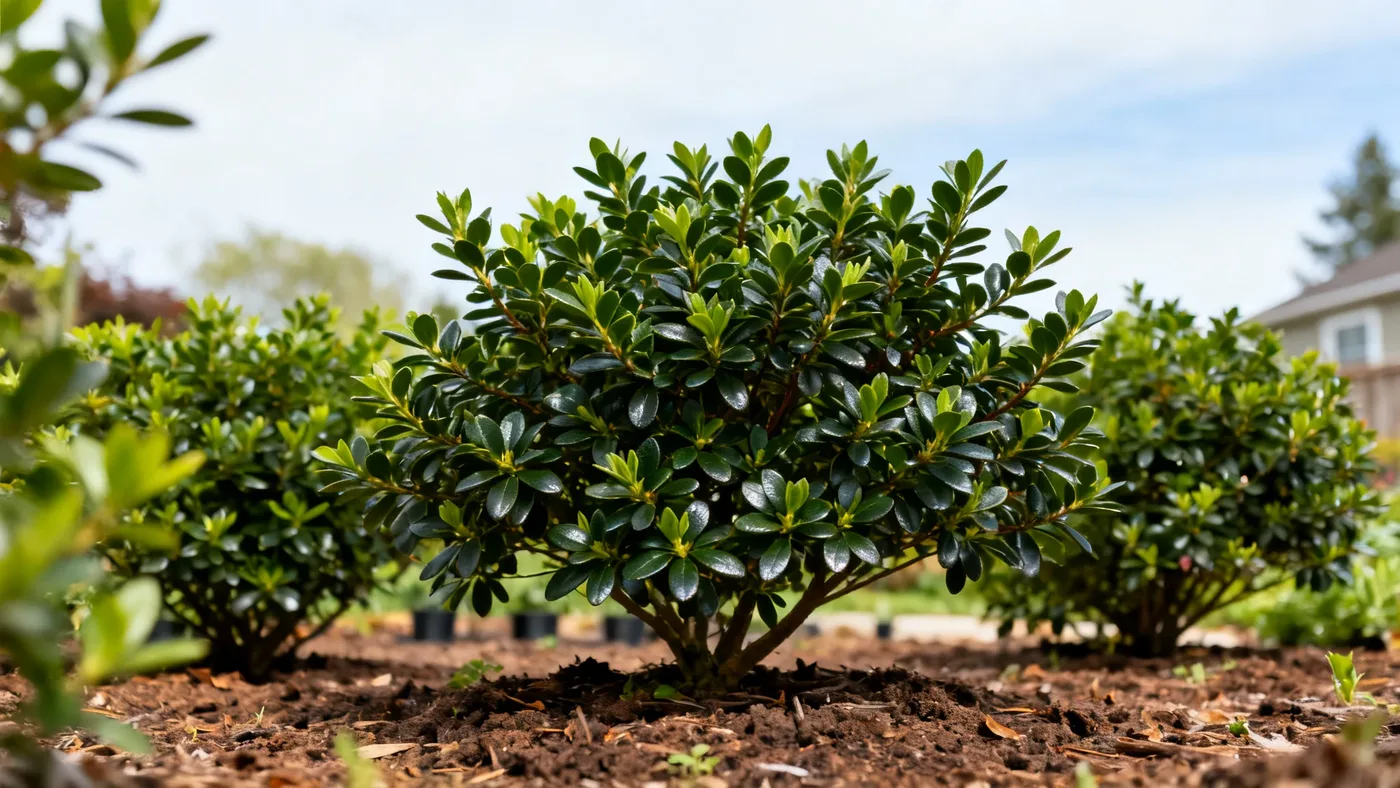
How Big Does a George L. Taber Azalea Really Get?
The George L. Taber azalea is a generous shrub that rewards patient gardeners with years of growth and beauty. Whether you're planning a foundation bed or a woodland screen, understanding its mature size helps you place it where it will thrive without crowding its neighbors or blocking views from your home.
Basic Sizing Questions
How big does a George L. Taber azalea really get?
A mature George L. Taber azalea reaches 6-10 feet tall and equally wide, making it a substantial shrub rather than a small ornamental. In the Deep South, older specimens sometimes exceed these figures, occasionally reaching 10-12 feet in height over many decades of care.
Is the George L. Taber azalea a dwarf variety?
No, it is not a dwarf azalea. The George L. Taber is classified as a full-sized evergreen shrub and will develop into a 6-10 foot specimen if left unpruned. If you need a smaller azalea, look for other cultivars, though the George L. Taber itself grows to standard landscape size.
How wide does the George L. Taber azalea spread?
The spread matches its height: you can expect 6-10 feet of width at maturity. This creates a nicely rounded, full shrub that develops into a substantial landscape feature over time.
Will my George L. Taber azalea stay small if I keep pruning it?
Light pruning immediately after flowering will keep the plant compact and encourage bushier growth. However, you cannot permanently reduce a full-sized cultivar to dwarf proportions, and heavy or frequent pruning, especially in late summer or fall, will eventually weaken the plant and reduce bloom production since the George L. Taber blooms on old wood.
Can I grow a George L. Taber azalea in a small yard?
Yes, if you site it carefully. Choose a location where the mature 6-10 foot shrub won't shade walkways or compete directly with your home's windows. In a small yard, place it at a corner or as a specimen in a dedicated bed rather than a foundation planting, where crowding leads to pruning battles.
Growth Rate and Timeline
How fast does the George L. Taber azalea grow?
The George L. Taber has a moderate growth rate of roughly 6-12 inches per year once established. This means a 2 or 3 year old container plant will add about 18-36 inches of height annually, depending on soil quality, water, and sunlight.
How long does it take to reach full mature size?
The George L. Taber reaches full mature size in roughly 10-15 years from planting. This is not a fast process, so patience and consistent care are essential if you want a large, healthy specimen.
When will my George L. Taber azalea start blooming?
A container-grown plant purchased from a nursery typically blooms within 1-2 years of planting, often during its first spring in your garden. However, reaching the massive bloom displays you see on mature plants takes several more years of growth and establishment.
Does growth slow down as the plant gets older?
Yes, growth naturally slows once the azalea reaches maturity. The rapid addition of 6-12 inches per year happens mostly in the first 5-10 years; afterward, annual growth becomes more modest as the plant fills out its mature form.
How long do George L. Taber azaleas live?
The George L. Taber is a long-lived shrub that often reaches 50+ years with proper siting and care. This means your investment in a quality plant will reward your patience and effort for decades.
Space Planning and Placement
How far apart should I space George L. Taber azaleas for a hedge?
For a hedge or mass planting, space plants 4-6 feet apart center-to-center. This allows them to fill in naturally without crowding, and gives mature plants room to express their rounded form without heavy pruning.
What spacing should I use if I want a specimen plant?
For a specimen shrub, plant with wider spacing to let the shrub develop its naturally rounded, full shape without competition from neighbors. This is typically 8-10 feet or more, depending on your overall landscape composition.
Will a George L. Taber azalea outgrow a foundation planting?
Possibly. If you plant it near your home's first-floor windows with only 2-3 feet of clearance, the mature 6-10 foot shrub will eventually block views and light. Choose placement carefully, or plan for light pruning every few years to maintain sightlines and access.
Can I use it as a screen or privacy hedge?
Yes, the George L. Taber's moderate growth and rounded form make it suitable for screens or hedges when planted 4-6 feet apart. The evergreen foliage provides year-round coverage, though you'll need to wait 5-7 years for a full, mature screen.
Regional Growth Differences
Does the George L. Taber azalea grow differently in northern zones?
The George L. Taber performs best in USDA zones 8-9, where it grows predictably and vigorously. In zone 7, it is hardy but may grow more slowly; in zone 10, it requires afternoon shade and careful watering to prevent heat stress.
Will my George L. Taber stay smaller in a colder climate?
Cold-climate gardeners in zone 7 may see more modest growth than southern gardeners, but the plant will still reach the same mature size of 6-10 feet if given 10-15 years and proper care. Winter hardiness is separate from growth capacity.
Does the George L. Taber grow faster in warmer zones?
Yes, plants in zone 9 and the Deep South often grow vigorously and may even exceed the typical 10 foot height, occasionally reaching 10-12 feet in very old specimens. Consistent warmth, humidity, and moisture support faster growth.
Mature Specimens and Longevity
Have there been very large George L. Taber azaleas?
Yes, older specimens in the Deep South, particularly in landscape plantings where they've received decades of care, have reached 10-12 feet in height and spread. These are exceptions rather than the rule, but they show the potential of a well-sited, well-maintained plant.
What's the oldest known George L. Taber azalea?
The cultivar was developed in the early 20th century at Glen Saint Mary Nurseries in Florida, making some original specimens nearly a century old. Many well-maintained landscape plantings from the 1950s and 1960s are still thriving and producing abundant blooms today.
How much of my mature plant's life will be at full size?
Once your George L. Taber reaches its full 6-10 foot maturity at around 10-15 years, it will remain at or near that size for many decades. With a lifespan often exceeding 50+ years, you'll enjoy a fully mature shrub for most of its productive life.
Container Growing and Smaller Options
Can I grow a George L. Taber azalea in a container?
Yes, the George L. Taber is suitable for container growing, particularly as a young or smaller specimen in a #3 or larger container. Many nurseries sell container-grown plants in these sizes, and you can keep a potted azalea on a patio or deck for several years.
Will a George L. Taber azalea stay smaller if grown in a pot?
A container will slow growth and ultimately limit final size compared to an in-ground plant, but it will not keep a naturally large cultivar permanently small. After several years, a potted George L. Taber will eventually outgrow smaller containers and need either upsizing or transplanting into the ground.
How large does a George L. Taber get if left in a container?
A container-grown plant in a large pot (5+ gallon) may reach 4-6 feet in height over time, but it will rarely achieve the full 6-10 foot spread of an in-ground specimen. Container life expectancy is shorter than in-ground plantings because root space is ultimately limited.
Quick Reference: Size and Growth at a Glance
| Measurement | Value |
|---|---|
| Mature Height | 6-10 feet (Deep South specimens: up to 10-12 feet) |
| Mature Width | 6-10 feet |
| Annual Growth Rate | 6-12 inches per year (once established) |
| Time to Full Maturity | 10-15 years |
| First Bloom (from nursery plant) | 1-2 years |
| Spacing for Hedge | 4-6 feet apart |
| Spacing for Specimen | 8-10 feet or wider |
| Hardiest Zones | 7-10 (most reliable in zones 8-9) |
| Typical Lifespan | 50+ years with proper care |
For detailed care guidance on keeping your George L. Taber thriving as it grows, see the care guide.