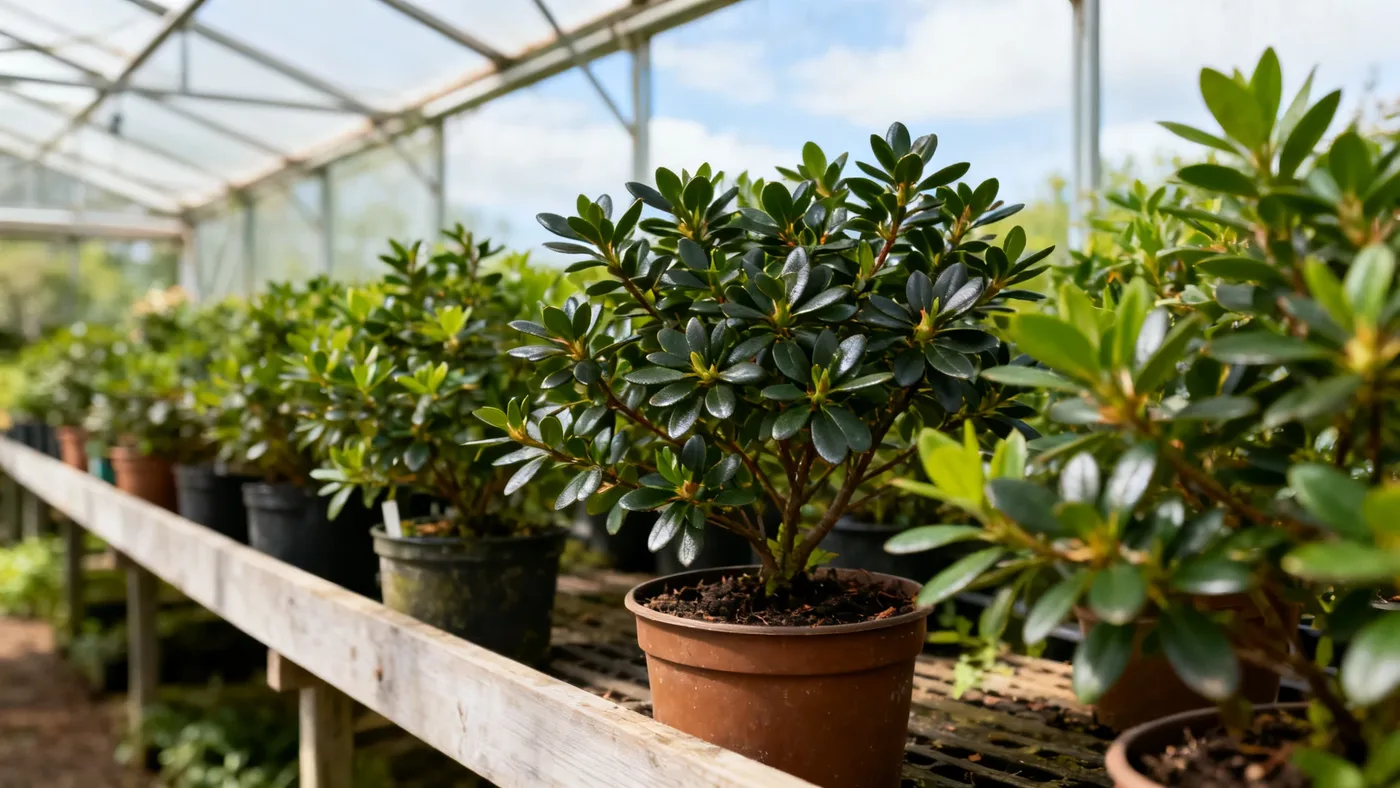
George L. Taber Azalea Buying Guide: Which Size to Choose
When you set out to buy George L. Taber Azalea shrubs for your landscape, the sheer range of sizes available at nurseries can feel overwhelming. Should you start with a quart plant, a one-gallon container, or jump straight to a #3 pot? Each has real trade-offs. This guide walks you through container sizes, quality indicators, and how to match the right plant to your budget and landscape plan.
Understanding Container Sizes for Azalea
George L. Taber Azalea is typically sold in three standard nursery container sizes: quart, 1-gallon (often labeled as #1), and 3-gallon (labeled as #3). Each size represents not just volume, but a different stage of maturity and a different investment of time and money.
A quart-sized plant is usually 6 to 12 inches tall, young, and recently propagated from cuttings. These are the least expensive option and work well if you are patient or building a large mass planting on a tight budget. A #1 gallon container typically holds a plant 12 to 18 inches tall with a more developed root system. This is the middle-ground choice, offering faster landscape impact at a moderate price. A #3 gallon container holds a shrub that may reach 18 to 24 inches or more in height, with a robust root system ready to establish quickly after planting.
Nurseries stock quart vs gallon azalea options to serve different customer needs. The smallest sizes give budget-conscious landscapers a way to fill space economically over two or three seasons. Larger containers deliver more immediate visual results and skip ahead on establishment time.
What to Look For When Buying George L. Taber Azalea
Quality varies among plants, even within the same size category. A healthy quart-sized plant will outperform a poorly maintained #3 every time, so inspect carefully before you commit.
Foliage. The leaves should be dark green, glossy, and evenly distributed around the stems. Avoid plants with yellowing leaves, brown leaf margins, or sparse canopy. Yellowing can indicate poor drainage at the nursery or soil pH that is too high. Since George L. Taber Azalea prefers acidic soil with a pH between 4.5 and 6.0, this is a red flag that the plant may have been stressed.
Stems and branching. Look for multiple stems growing from the base, not a single thick trunk. Branched plants will fill out your landscape faster and create a bushier form. Stems should be firm and woody, not soft or mushy at the base, which signals root rot.
Root ball. Gently tip the container and look at the drain holes. You should see white or light-colored roots, not thick brown ones circling endlessly around the root ball. A plant that is severely root-bound will struggle to establish in the ground, even if it looks healthy above soil.
Evidence of blooms or buds. If you are buying in or near the bloom season (mid to late spring), look for flower buds. This confirms the plant is mature enough to bloom, though buds are not essential. Young quart plants may not flower in their first season, and that is normal.
Key Features to Compare When You Shop
Beyond size, several features will help you choose the best George L. Taber Azalea for sale at your local nursery.
Age and bloom readiness. Container-grown George L. Taber Azalea typically blooms within 1 to 2 years of planting from a nursery pot. Quart plants may take an extra season or two to mature and flower; #1 and #3 sizes are far more likely to flower in their first spring after planting. If immediate blooms are a priority, choose a larger container size.
Soil type. Ask the nursery what media they use. Azaleas need well-drained, humus-rich, acidic soil. If the plant has been growing in generic potting soil rather than an ericaceous mix formulated for acid-loving plants, it may require a transition period after planting. This is not a dealbreaker, but it helps you plan aftercare.
Hardiness zone fit. George L. Taber Azalea is winter-hardy in USDA zones 7 through 10, with the most reliable performance in zones 8 and 9. If you garden in zone 7, choose healthy, vigorous plants to maximize cold tolerance. If you are in zone 10, you may need to provide afternoon shade during the hottest months.
Growth habit. All George L. Taber Azaleas are the same cultivar, so growth rate is consistent. You can expect moderate growth, roughly 6 to 12 inches per year once established. A plant 18 inches tall today will reach 6 to 10 feet tall within 10 to 15 years. Plan your spacing accordingly.
Size Recommendations by Landscape Use
Foundation plantings or specimen specimens. If you want a focal point or a hedge that looks mature within a year or two, start with #3 gallon plants spaced 4 to 6 feet apart. You will pay more upfront, but you will get landscape impact immediately.
Mass plantings or large borders. For projects where you need dozens of plants, quart or #1 gallon sizes make economic sense. Space them 4 to 6 feet apart and expect the planting to fill in over 3 to 4 years as the plants mature. This approach saves money and works well if you can plan ahead.
Container growing. George L. Taber Azalea is container-suitable, especially when young or smaller. A quart or #1 gallon plant thrives in a pot for several seasons before eventually outgrowing it. This is a good option if you want to test the cultivar in your microclimate before committing to ground planting.
Underplanting in woodlands. In dappled shade under trees, smaller plants establish well and receive the part shade to filtered sun that this azalea prefers. Start with #1 gallon sizes to reduce transplant shock in established shade gardens.
Options at Different Price Points
Your budget will likely narrow your choices. Quart-sized George L. Taber Azalea plants represent the most economical entry point. They are ideal for large-scale projects, experimental planting, or patience-rewarding landscapes where you do not need instant gratification. Quart plants are also a good choice for gardeners who enjoy the propagation process and want to support smaller, local nurseries.
Gallon-sized (#1) containers offer a middle-ground price with noticeably faster establishment. Most home gardeners and small landscapers choose this size because it balances cost, maturity, and landscape readiness.
#3 gallon containers cost the most but deliver the most mature plant. They are appropriate when you need immediate visual impact, are working on a smaller-scale project, or when buying George L. Taber Azalea for a high-visibility location like a front entrance or specimen planting. One large plant can be more cost-effective than five quarts if installation labor is factored in.
Red Flags to Avoid
Do not buy a plant with yellowing or pale foliage unless the nursery can explain why. Nutritional deficiency or pH stress in a nursery environment suggests the plant has been neglected. Recovery is possible, but a healthy alternative is usually available.
Avoid plants with dried or crusty soil that pulls away from the pot edge. This signals chronic underwatering, even though azaleas prefer moderate moisture, not soggy soil. Drought stress during growth will weaken the plant and delay establishment.
Do not purchase a plant that is noticeably lighter than expected when lifted. This often means the root ball is drying out or has rotted, reducing its density and health. Weight is a reliable indicator of soil moisture and root mass.
Skip plants with soft, mushy stems at the base or a strong smell of rot near the soil line. These are signs of root rot (often Phytophthora in poorly drained soil) and are very difficult to save after planting.
Be cautious of plants offered at steep discounts late in the growing season without clear explanation. While opportunistic bargains exist, a clearance tag sometimes masks a reason: unsold inventory that has been languishing, plants with undiagnosed pests, or stock that did not thrive under nursery conditions.
Where to Buy George L. Taber Azalea
Local independent nurseries and garden centers are usually your best sources. Staff at these operations grow or carefully select inventory, inspect plants regularly, and can advise on local hardiness, soil conditions, and aftercare specific to your region. They often carry multiple container sizes and can special-order plants if needed.
Regional or national big-box garden centers stock George L. Taber Azalea, particularly during spring and fall planting seasons. Quality varies depending on store-level care and staff knowledge. Inspect plants carefully, as they may not have received ideal watering or shading during display. Big-box pricing is often competitive for gallon sizes, though selection may be limited to one or two sizes.
Online nurseries ship container-grown plants. This option is convenient and sometimes offers wider size or cultivar selection. Shipping costs and the stress of transit are legitimate concerns, though most reputable online nurseries pack plants carefully and guarantee arrival in good condition. Request a specific container size at checkout and confirm the expected height range before ordering.
Specialty native plant or ericaceous nurseries (those focusing on acid-loving plants) are ideal if you want expert advice. They often carry premium-quality plants and can provide detailed guidance on soil preparation and siting.
Quick Reference: Container Size Comparison & Buying Checklist
| Container Size | Typical Height | Establishment Time | Best For | Spacing |
|---|---|---|---|---|
| Quart | 6–12 inches | 2–3 seasons | Large plantings, budget projects | 4–6 feet apart |
| #1 Gallon | 12–18 inches | 1–2 seasons | Most home gardens, mixed borders | 4–6 feet apart |
| #3 Gallon | 18–24+ inches | One season | Specimen, focal points, fast results | 4–6 feet apart |
Buying Checklist
- Dark green, glossy foliage with even branching throughout the plant.
- No yellowing leaves or brown margins.
- Multiple stems from the base, not a single trunk.
- Firm, woody stems; no soft or mushy tissue at the base.
- Light-colored roots visible at drain holes; no severe root-bound condition.
- Soil that is moist but not waterlogged or bone-dry.
- Confirmation that the plant is hardy to your USDA zone (zones 7–10 for George L. Taber, most reliable in zones 8–9).
- Ericaceous or acid-formulated growing medium if possible.
- No visible pest damage, scale, or leaf spots.
- A plan to plant in fall or early spring, the ideal windows for azalea establishment.
Once you have selected and brought home your George L. Taber Azalea, proper aftercare is just as important as the plant you choose. For detailed guidance on placement, soil preparation, watering, and long-term care, refer to the George L. Taber Azalea care guide.