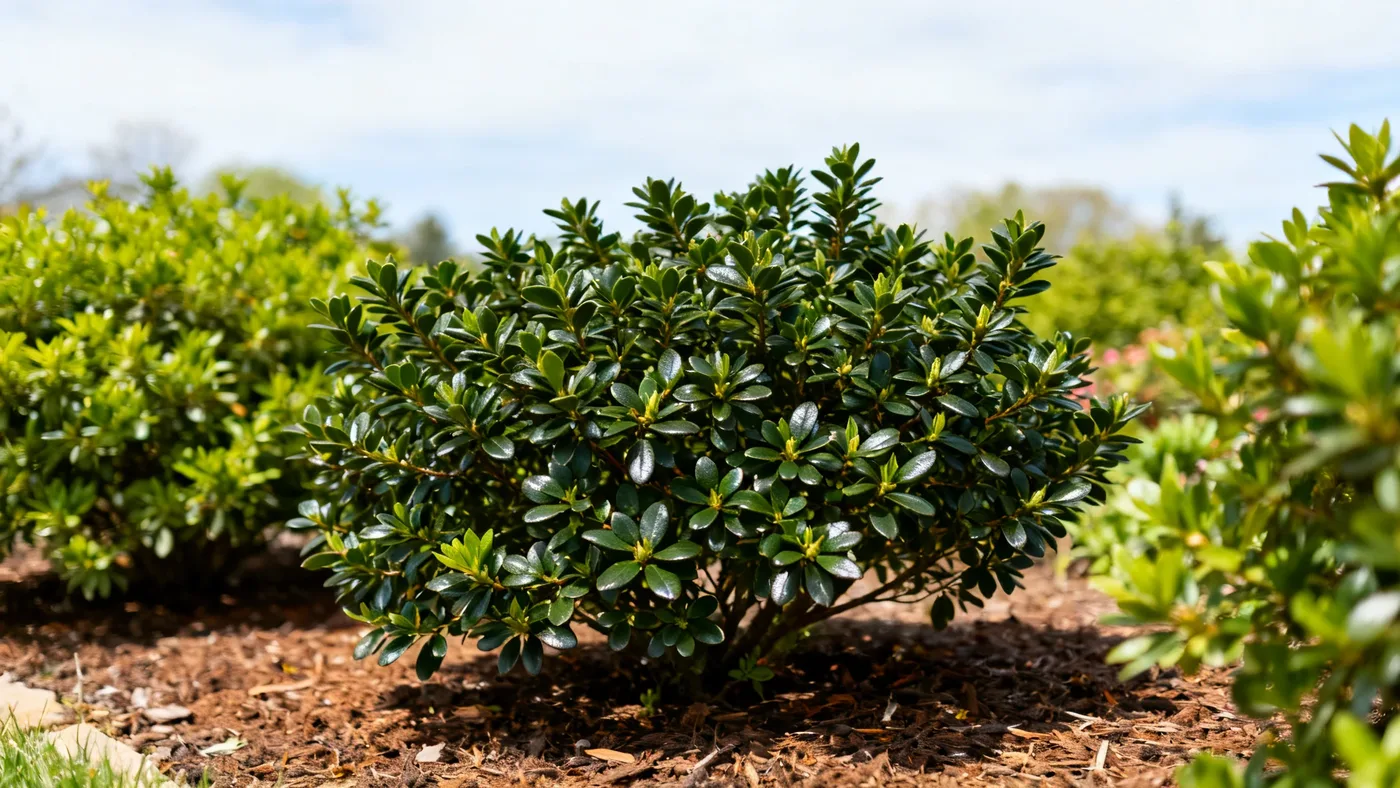
George L. Taber Azalea Hardiness Zones: Where It Thrives
The George L. Taber azalea is a reliable, long-lived evergreen shrub that thrives across much of the warm temperate United States. Understanding which hardiness zone suits this plant, and how to care for it in your climate, is the first step to growing it successfully. This guide answers the most common questions about zone suitability, planting timing, and regional care.
Zone and Climate Suitability
What hardiness zones are suitable for George L. Taber azalea?
George L. Taber azalea grows reliably in USDA hardiness zones 7 through 10. It is most widely planted and performs best in zones 8 and 9, where winter temperatures and growing conditions align perfectly with its preferences. In zone 7, plants may experience occasional winter damage to new growth during severe cold spells, but established specimens typically recover.
Can I grow George L. Taber azalea in zone 6?
Zone 6 is outside the recommended range for this cultivar and carries significant risk. Winter temperatures regularly drop to 10 degrees Fahrenheit or below, which can kill flower buds and damage canes. If you are in zone 6, consult your local cooperative extension before attempting to grow this plant, as microclimates and protection (such as shelter from north winds) may offer a slim chance of success in the warmest parts of your zone.
Is George L. Taber azalea winter hardy in zone 10?
Yes, zone 10 is well within the range of this evergreen shrub. However, zone 10 presents a different challenge: insufficient winter chill hours may delay or lighten flowering. George L. Taber azalea performs adequately in zone 10, but gardeners there should focus more on heat tolerance and consistent moisture than on frost protection.
Why is this azalea more cold hardy than some other types?
The George L. Taber is a Southern Indica hybrid, a group bred over decades to tolerate the winter temperatures and spring freezes of the Deep South. Its genetics, which trace to Asian Rhododendron indicum hybrids, include traits for wood and bud hardiness that many tender azalea types lack. This breeding background makes it one of the more reliable choices for zone 7 gardeners seeking an evergreen azalea.
What winter temperatures can George L. Taber azalea tolerate?
Established plants tolerate sustained cold to the lows typical of zone 8 (around 10 to 20 degrees Fahrenheit). New growth and flower buds are more tender and can be damaged by hard freezes that dip below 0 degrees Fahrenheit. In zone 7, late spring freezes after bloom initiation are a greater threat than midwinter cold.
Planting and Site Selection by Zone
When should I plant George L. Taber azalea in my zone?
Across zones 7 through 10, plant in fall or early spring, avoiding the heat of summer. Fall planting (September through November) allows roots to establish through winter and spring. Early spring planting (February through March) works well if you water consistently through the first growing season before summer heat arrives.
Does the best planting site differ by zone?
Yes. In zones 8 and 9, morning sun with afternoon shade is ideal and helps protect plants from lace bug damage and heat stress. In zone 7, where growing seasons are shorter, slightly more morning sun encourages bloom production, but always provide afternoon shade in late summer. In zone 10, afternoon shade becomes critical to prevent leaf scorch and root stress.
How much sun does George L. Taber azalea need?
This azalea prefers part shade to filtered sun. In practical terms, 4 to 6 hours of morning sun with dappled afternoon protection is the sweet spot. Avoid full sun, especially the harsh western and southern exposures, which invite spider mites and lace bugs and can yellow the foliage.
What soil conditions should I provide in zones 7 versus 9?
Regardless of zone, this plant demands well-drained, humus-rich, acidic soil with a pH of 4.5 to 6.0. In zone 7, where rainfall is typically ample, focus on excellent drainage to prevent root rot during wet winters. In zone 9 and warmer, amend with organic matter to improve water retention during hot, dry months, while still maintaining drainage.
How far apart should I space George L. Taber azaleas?
For a hedge or mass planting, space plants 4 to 6 feet apart. For specimen plantings, allow up to 8 to 10 feet to accommodate mature width. Closer spacing will force earlier pruning and create denser canopies; wider spacing allows each plant to reach its natural form.
Growth, Bloom Timing, and Development
How fast does George L. Taber azalea grow?
This shrub has a moderate growth rate, typically 6 to 12 inches per year once established. Container-grown plants reach full landscape maturity in roughly 10 to 15 years, eventually attaining a height and width of 6 to 10 feet. Some older specimens in the Deep South exceed 10 to 12 feet.
When does George L. Taber azalea bloom?
Bloom time is mid to late spring. In the Deep South (zones 8 to 9), this means March through April. Further north in zone 7, expect blooms extending into May as soil warms more slowly. The exact timing shifts year to year with spring weather, so watch your plants rather than relying on a calendar date.
Will my plant bloom in its first year after planting?
Container-grown George L. Taber azaleas typically bloom within 1 to 2 years of planting. Younger, smaller nursery plants may skip their first spring bloom as they focus energy on root establishment, but they will flower reliably in subsequent seasons.
How do late spring freezes affect bloom?
In zone 7 and the northern edge of zone 8, late spring freezes can kill flower buds after they have begun to swell. A hard freeze in April or early May after buds are set can eliminate that season's flowers entirely. Site your plant where early morning sun melts frost quickly, and consider a frost blanket during forecast freezes once buds appear.
Cold Tolerance and Winter Care
Do I need to mulch George L. Taber azalea in zone 7?
Yes. Apply 2 to 3 inches of pine bark or composted leaf litter around the root zone in fall, keeping mulch a few inches away from the stem to prevent rot. Mulch moderates soil temperature swings, conserves moisture, and protects shallow roots from heaving during freeze-thaw cycles.
How do I protect George L. Taber azalea from winter wind?
In zone 7, where cold north and northwest winds are common, site the plant where a building or evergreen windbreak shields it from winter exposure. If your planting location cannot provide natural shelter, consider a burlap screen on the windward side during the coldest months. Do not wrap the plant too tightly, as it can trap moisture and promote disease.
Should I fertilize differently by zone?
Feed lightly in early spring across all zones with an acid-forming, azalea-type fertilizer. In zone 7, where the growing season is shorter, avoid heavy nitrogen fertilizing in late summer, which can stimulate soft growth that will freeze. In zones 8 to 9, you may extend light feeding through early summer, but never feed after July.
Is George L. Taber azalea evergreen through winter in zone 7?
Yes. This is an evergreen shrub that retains its small, dark green, glossy leaves year-round, even in zone 7. In the coldest winters, foliage may take on a slight bronze-purple tint due to anthocyanin production as a cold-stress response. This color fades as temperatures rise in spring and is not a sign of damage.
Zone-Specific Considerations and Pest Issues
Are pests a concern across all zones?
Azalea lace bugs, spider mites, scale insects, and azalea caterpillars can appear in any zone where George L. Taber is grown. Full sun and heat stress make spider mites and lace bugs worse, so proper siting with afternoon shade is your best preventive step. In zones 8 and 9, check foliage in dry summers for stippling that signals lace bug feeding.
What diseases should zone 7 gardeners watch for?
In zone 7, the cooler, wetter winters increase the risk of Phytophthora root rot if drainage is poor. Petal blight (Ovulinia) can mar flowers in humid springs. Ensure excellent drainage and space plants for air circulation to minimize fungal disease pressure.
Does zone 9 present different disease risks?
In zone 9 and warmer, consistent heat and humidity favor powdery mildew and azalea leaf gall. Azalea leaf gall causes thick, fleshy leaf deformities. Prune out affected leaves and dispose of them promptly. Adequate air circulation and judicious watering at soil level (not foliage) reduce these problems.
Are there heat-tolerant cultivars for zone 10?
George L. Taber azalea is not marketed as a zone 10 choice, though it performs adequately there. For zone 10 gardeners, related Southern Indica types such as 'Formosa' (with deeper magenta blooms) may offer better performance. Consult your local nursery or cooperative extension for zone 10 recommendations.
Understanding Your Growing Conditions
How do I know if my location is truly in my stated hardiness zone?
Hardiness zones are based on average annual minimum temperatures, but your actual microclimate may differ from the published zone map. Note the lowest temperature your thermometer records over several winters, check nearby weather station records, and observe which plants thrive in your neighborhood. This ground truth is more reliable than a map for making planting decisions.
What can I do if I love this plant but live outside zones 7 to 10?
In colder zones, grow George L. Taber azalea as a containerized specimen and bring it indoors or into a sheltered cold frame during winter. In warmer zones where winter chill is minimal, contact your local cooperative extension to discuss heat-tolerant azalea alternatives. The same nursery team that sells container plants can guide regional choices.
Do container-grown George L. Taber azaleas have different zone requirements than in-ground plants?
Potted plants are more vulnerable to cold damage because roots cannot access the insulating warmth of the surrounding soil. If you are growing this azalea in a container and you live in zone 7, move the pot to a sheltered location or group it with other plants to protect it during the coldest months. In-ground plants develop more winter resilience as they mature.
Quick Reference: George L. Taber Azalea Hardiness at a Glance
| Zone | Winter Lows | Reliability | Key Considerations |
|---|---|---|---|
| Zone 7 | 5 to 10°F | Good to excellent with siting and mulch | Mulch in fall; protect from north wind; watch for late spring freezes damaging buds |
| Zone 8 | 10 to 20°F | Excellent; most widely planted | Provide afternoon shade; monitor for lace bugs in full sun; standard care applies |
| Zone 9 | 20 to 30°F | Excellent; ideal range | Provide afternoon shade; watch for spider mites in heat; maintain consistent moisture |
| Zone 10 | 30 to 40°F | Adequate; not preferred | Insufficient winter chill may reduce flowering; prioritize shade and moisture; consult extension |
Next Steps for Your Hardiness Zone
Once you have confirmed your zone and chosen a suitable site, the next move is proper planting. Our complete guide to how to plant a George L. Taber azalea the right way walks you through hole depth, soil amendment, and initial watering schedules for your region.
After planting, ongoing care follows a predictable rhythm across all zones. Read our George L. Taber azalea care guide for the complete basics to learn pruning, fertilizing, watering, and seasonal maintenance that keeps your plant healthy and blooming for decades.