Why Isn't My George L. Taber Azalea Blooming or Turning Yellow?
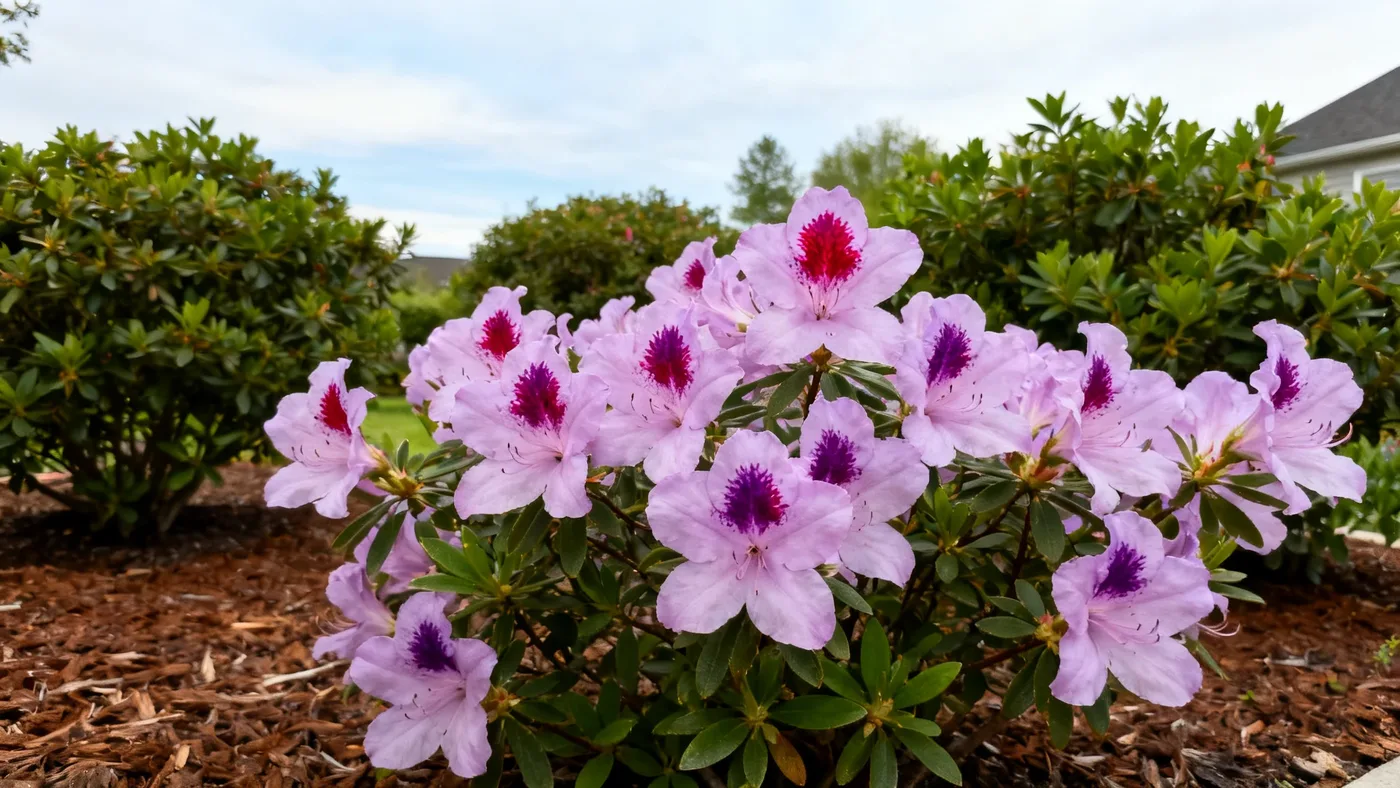
George L. Taber Azaleas are prized for their reliable spring display of light orchid-pink flowers with darker reddish-purple blotches, but when blooms fail to appear or leaves turn yellow, it signals that something in the plant's environment or care routine needs attention. Most problems are preventable with straightforward checks on light, drainage, pruning timing, and soil pH. This guide walks you through the most common questions we hear from home gardeners and landscapers who've hit a snag with their plants.
Why Isn't Your Azalea Blooming?
Why isn't my George L. Taber Azalea flowering?
The most common culprit is pruning at the wrong time. George L. Taber Azaleas bloom on old wood, and flower buds set shortly after bloom ends in spring. If you prune in late summer, fall, or winter, you remove next year's buds before they ever get a chance to open. Prune immediately after flowering ends (April or May, depending on your zone) and keep pruning light. If your plant is younger than 2 years, wait patiently; container-grown plants typically bloom within 1-2 years of planting.
I pruned my azalea hard and now it won't bloom. Can I fix this?
If you pruned in late summer or fall, you've removed developing flower buds. The good news is you have time to reset your timing going forward. Next spring, the moment blooms finish, use that window immediately after flowering to do any pruning the plant needs. Avoid the autumn tidy-up; every leaf and stem you remove could cost you a flower. See our complete pruning guide for the exact window and technique.
My azalea is in full shade and barely flowers. Does light really matter that much?
Yes, significantly. George L. Taber Azaleas flower best with morning sun and afternoon shade, especially in hotter zones (9-10). Full shade means fewer flower buds form; your plant may produce only foliage year after year. If you can relocate the shrub to a spot that gets 4-6 hours of morning or filtered sun, do so. If relocation isn't feasible, gradually thin nearby trees or shrubs to let more light reach the canopy. Excessive afternoon sun in zones 9-10 can scorch leaves, so afternoon shade remains ideal, but morning sun is the priority for blooming.
I'm in zone 7. Why might my azalea struggle to bloom reliably?
Zone 7 is at the northern edge of this cultivar's reliable range; George L. Taber Azaleas flower most consistently in zones 8-9. Mild winters in zone 7 can fail to provide enough chilling hours to set a full flower crop, and early spring freezes can damage developing buds. If you're in zone 7, place your azalea where it gets morning sun and afternoon wind protection from a wall or fence. Treat this as a longer-term investment; the first couple of seasons may be unpredictable, but many zone 7 growers report strong, steady blooms once the plant establishes.
Could fertilizer be the reason my azalea isn't blooming?
Overfertilizing, especially with high-nitrogen formulas, can reduce flowering by pushing leafy growth at the expense of flower buds. George L. Taber Azaleas need only light feeding in early spring with an acid-forming azalea or camellia-type fertilizer; skip heavy applications altogether. If you've been fertilizing frequently or using lawn fertilizers that drift onto the plant, cut back to once per year in early spring. You should see more blooms within the next one or two growing seasons as the plant rebalances its energy toward flowering.
My azalea is 3+ years old, in good light, I prune correctly, and still no blooms. What else could it be?
Water stress or root issues may be at play. Azaleas deprived of consistent moisture during the growing season sometimes skip flowering entirely as a stress response. Similarly, if roots are waterlogged from poor drainage, the plant invests energy in survival, not blooms. Check that the soil drains freely and that you're watering deeply but not frequently enough to keep soil soggy. Improve the underlying soil with peat moss and bark, or replant in a raised bed. Once the root system recovers, buds should return within one or two seasons.
Diagnosing Yellow Leaves and Chlorosis
Why are my azalea leaves turning yellow?
The most frequent cause is soil pH mismatch. George L. Taber Azaleas require acidic soil with a pH of 4.5-6.0; if your soil is neutral or alkaline (pH 7 or higher), the plant cannot absorb iron properly, and leaves yellow between the veins while veins stay green (a condition called chlorosis). Test your soil pH with a home kit or send a sample to your local extension service for confirmation. If pH is above 6.0, amend the soil with sulfur or an acidifying fertilizer formulated for azaleas, or consider planting in a raised bed with fresh acidic soil mix.
My soil pH is correct but leaves are still yellow. What else should I check?
Overwatering or poor drainage is the second leading culprit. George L. Taber Azaleas have shallow, fibrous roots that are extremely susceptible to root rot if soil stays soggy. Check that the soil drains freely and that the plant isn't sitting in a low spot where water pools after rain. Water deeply but infrequently to keep soil consistently moist (not wet) during the growing season. If drainage is poor, amend heavily with peat moss, bark, and compost, or move the plant to better-draining ground. Yellowing leaves combined with soft, mushy stems at the base indicate advanced root rot and may signal that replacement is the best option.
Could pests or mites be causing the yellowing?
Yes, definitely. Azalea lace bugs and spider mites both cause stippling (fine pale or bleached spots) and yellowing, often starting on lower leaves or those in full sun. Look for tiny insects or fine webbing on the undersides of leaves. Spray affected foliage with insecticidal soap or horticultural oil in late spring or early summer when pests are most active. If the plant is otherwise healthy and damage is light, a strong spray of water and improved air circulation may reduce pest pressure on their own. Severe infestations may require repeated treatments or a miticide specifically labeled for spider mites.
My azalea has yellowing and brown foliage in early spring. Is this winter damage?
Cold winters or late spring frosts can damage foliage, especially on plants in zone 7 or exposed sites without wind protection. Brown or yellowed leaves that appear after a hard freeze usually recover as new growth flushes in late spring. If damage is extensive or stems are soft and mushy, the plant may have suffered root or crown injury and could decline throughout the season. Dieback on otherwise healthy plants is typically temporary; remove obviously dead branches once new growth is clearly emerging and don't intervene further.
What exactly is azalea dieback and how do I fix it?
Dieback (the death of whole branches or sections from the tip inward) can result from late-season hard freezes, root rot from waterlogging, or phytophthora (a soil fungus) entering roots through poor drainage. Petal blight (Ovulinia fungus) occasionally infects flowers and young stems in cool, humid springs, causing branch die-off. To prevent dieback, ensure excellent drainage, avoid planting in low spots, and remove dead branches as soon as you spot them (don't wait for spring). If dieback affects more than 30-40% of the plant, replacement may be more practical than trying to nurse a declining specimen back to health.
Soil, Water, and Growing Conditions
How often should I water my George L. Taber Azalea?
Water deeply when the top inch of soil feels dry, typically once or twice per week during the growing season, depending on rainfall and temperature. George L. Taber Azaleas are not drought tolerant once established; shallow roots dry out quickly in heat or sandy soil. In hot summers or containers, you may need to water more frequently; in winter or during rainy spells, reduce watering to avoid waterlogging. The goal is consistent moisture without soggy soil; the soil should feel like a wrung-out sponge, moist but not wet.
Can I grow George L. Taber Azalea where I live?
The cultivar is hardy in USDA zones 7-10, though it is most reliable and widely planted in zones 8-9. In zone 7, choose a sheltered spot with afternoon wind protection and excellent drainage, and expect occasional winter bud loss or bloom failure in harsh years. In zone 10, ensure afternoon shade to prevent leaf scorch and heat stress. If you're on the edge of this range, view the plant as a longer-term investment; the first few years may be unpredictable, but many growers report strong establishment and performance after 3-5 seasons.
What is the best soil for a George L. Taber Azalea?
Well-drained, humus-rich, acidic soil is the gold standard. If planting in native soil, amend with 2-3 inches of peat moss, aged bark mulch, and compost worked into the top 6-8 inches; this improves drainage, acidifies the soil, and adds organic matter for root development. If your native soil is clay-heavy or poorly draining, planting in a raised bed with fresh potting mix is a practical alternative. Avoid compacted soil or low spots where water accumulates; good drainage is non-negotiable for long-term health.
How much mulch should I apply around my azalea?
Apply 2-3 inches of aged wood chips, bark mulch, or pine needles around the base, keeping mulch 2-3 inches away from the stems to prevent rot and pest problems. Mulch helps retain soil moisture, moderates soil temperature, and suppresses weeds without competing for nutrients. Refresh mulch annually as it breaks down into the soil. Avoid thick mulch piles or mulch piled directly against the trunk; this traps moisture against stems and invites fungal problems.
Pests, Diseases, and Safety
What are the common pests I should watch for on George L. Taber Azaleas?
Azalea lace bugs, spider mites, azalea caterpillars, and scale insects are the primary pests. Lace bugs and spider mites cause stippling on leaves; caterpillars skeletonize foliage or roll leaves; scale insects appear as tiny bumps on stems and undersides of leaves. Monitor plants in late spring and summer, especially those in full sun or stressed by heat. Early intervention with horticultural oil or insecticidal soap is usually effective; avoid heavy chemical applications that may harm beneficial insects or the shrub itself.
Can I prevent or treat azalea leaf gall?
Leaf gall (caused by the fungus Exobasidium) produces fleshy, pale, balloon-like growths on leaves and stems. It's more of an aesthetic issue than a serious threat and rarely requires treatment. Remove affected leaves or stems if you find them and dispose of them in the trash (not compost). Improve air circulation around the plant by pruning lower limbs and thinning nearby vegetation; good air flow reduces the humidity that favors fungal spread. Leaf gall is less common on George L. Taber Azaleas than on some other types.
What should I do if my azalea has powdery mildew?
Powdery mildew (white coating on leaves) occasionally appears in shade or high-humidity conditions. Prune to open up the canopy and improve air flow; it often clears on its own as conditions dry out. If it persists, spray with sulfur or a fungicide labeled for powdery mildew on ornamentals, following label instructions carefully. To prevent it, avoid overhead watering late in the day and space plants for good air circulation. Most cases are mild and resolve without intervention once growing conditions improve.
Is a George L. Taber Azalea toxic?
Yes. George L. Taber Azaleas are toxic to dogs, cats, horses, and people if ingested; the plant contains grayanotoxins that can cause vomiting, drooling, and cardiac issues. Keep the plant out of reach of pets and small children, and wash your hands after handling it. If a pet or child ingests part of the plant, contact your veterinarian, poison control, or emergency services immediately. The toxicity is good reason to site the plant in a fenced area or elevated planter rather than in an accessible garden bed.
Quick Reference: Troubleshooting Checklist
| Problem | Most Likely Cause | What to Do | Expected Timeline |
|---|---|---|---|
| No blooms | Pruning in late summer or fall | Prune only immediately after spring flowering ends | Next year |
| No blooms | Too much shade | Relocate to morning sun or thin overhead canopy | Next season |
| No blooms | Heavy nitrogen fertilizer | Use light acid-forming azalea fertilizer; apply once in early spring only | Next year |
| Yellow leaves (veins stay green) | Soil pH too high (alkaline) | Test soil; amend with sulfur or acidifying fertilizer for azaleas | 4–8 weeks |
| Yellow leaves (general) | Overwatering or poor drainage | Reduce watering frequency; amend soil with peat moss and bark | 2–4 weeks |
| Yellowing + stippling on leaves | Azalea lace bugs or spider mites | Spray with horticultural oil or insecticidal soap in late spring | 1–2 weeks |
| Brown or yellow foliage in early spring | Winter freeze or frost damage | Remove dead branches; don't prune living tissue | As new growth emerges |
| Branch dieback | Root rot (poor drainage) or cold damage | Ensure excellent drainage; remove dead limbs promptly | Ongoing observation |
| Fleshy pale growths on leaves | Azalea leaf gall (fungal) | Remove affected leaves; improve air circulation by pruning | 2–3 weeks |
| Few or no blooms (zone 7) | Climate at edge of range; insufficient chilling or bud loss | Choose sheltered spot with morning sun and afternoon wind protection | Multiple seasons |
For more detailed care information, refer to our complete care guide. Most problems resolve quickly once you identify the root cause and adjust watering, light, pruning timing, or drainage accordingly. When in doubt, a call to your local extension service with a photo and soil sample can pinpoint what's happening on your site.