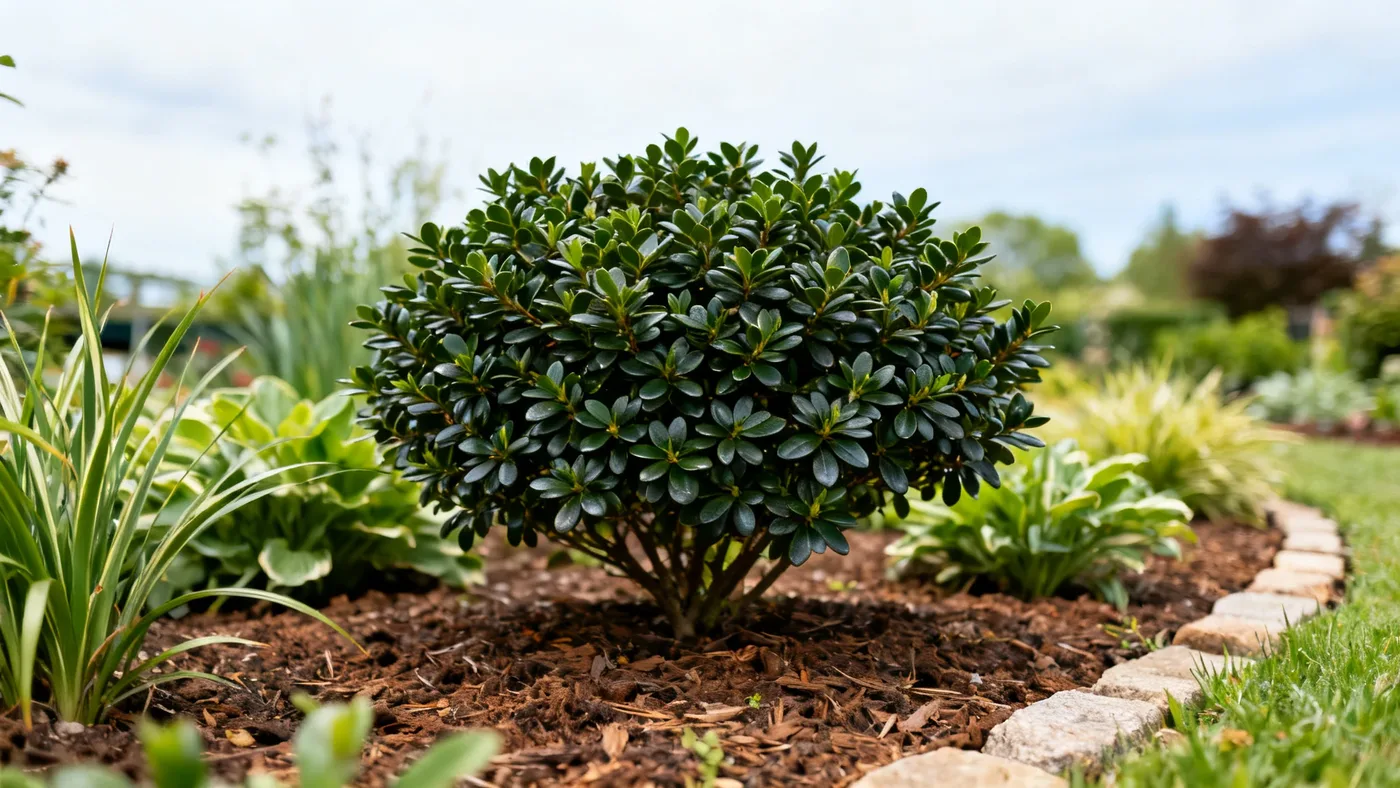
Landscape Ideas for George L. Taber Azalea in Your Yard
George L. Taber Azalea has been a workhorse of Southern and mid-Atlantic landscapes since it was bred at Glen Saint Mary Nurseries in Florida in the early 20th century. Its light orchid-pink blooms with a reddish-purple blotch arrive in mid to late spring, March through April in the Deep South and extending into May further north. Because this evergreen shrub is versatile, grows at a moderate pace of about 6 to 12 inches per year, and reaches a mature size of 6 to 10 feet in both height and width, it fits into nearly every garden style. If you're planning a landscape that makes the most of this plant's color, form, and reliable performance in zones 7 through 10, here are seven proven ways to use it.
1. Foundation Planting Along Your Home's Entry or Perimeter
The classic role for George L. Taber Azalea is right outside your front door or along the foundation of your home. A foundation planting anchors your house to the landscape and creates an immediate impression. Space plants 4 to 6 feet apart if you want them to merge into a unified mass as they mature, or plant them wider apart if you prefer distinct individual shrubs.
This azalea thrives in part shade to filtered sun, making it ideal for spots that receive morning light and afternoon shade, particularly in hotter zones. The key is to give it well-drained, humus-rich, acidic soil with a pH between 4.5 and 6.0. If your soil leans alkaline or heavy clay, amend it generously with peat moss or aged bark to create the right conditions. Position the plants where they'll receive consistent moisture without sitting in standing water, since shallow roots dry out quickly and the plant is not drought tolerant once established.
Practical takeaway: Cluster three to five plants of staggered heights near an entry point. Prune immediately after flowering (spring) to maintain a neat, compact shape that frames your doorway without overwhelming it.
2. Creating a Woodland Garden Understory
If your yard has mature trees, George L. Taber Azalea is a natural fit for the layer beneath them. Woodland gardens rely on shrubs that tolerate part shade and thrive in rich, well-draining soil amended with leaf litter. This azalea's evergreen foliage stays handsome year-round, and its spring blooms light up the shaded understory when deciduous trees are still leafing out.
Plant azaleas in irregular groupings rather than rows to mimic natural woodland conditions. Space them 4 to 6 feet apart and layer them with shade-loving companions like ferns, hostas, and dogwoods. The acidic, humus-rich environment created by years of fallen leaves naturally suits azalea roots. Apply a 2 to 3 inch mulch layer of aged bark or compost to retain moisture and keep soil cool in summer.
Practical takeaway: Use George L. Taber Azalea to bridge the gap between mature tree canopies and smaller shade perennials. Its 6 to 10 foot mature height fills the mid-story layer perfectly.
3. Designing a Living Hedge or Screen
Azaleas make excellent hedges and privacy screens in zones 8 and 9, where they're most reliably grown and most vigorous. Plant George L. Taber Azalea 4 to 6 feet apart along a property line or to block an undesirable view. Within 10 to 15 years, these plants will reach their mature width and create a dense, evergreen barrier that's more interesting than a wooden fence.
Prune immediately after spring flowering to shape the hedge and encourage branching. Light shaping is usually sufficient for this cultivar, as heavy pruning in late summer or fall can remove the buds that will flower next spring, since the plant blooms on old wood. A hedge of George L. Taber Azaleas in full bloom is both a functional screen and a stunning seasonal display that stops neighbors in their tracks.
Practical takeaway: Plan for spacing of 5 feet on center initially; the plants will fill in over several seasons. Establish good drainage and consistent moisture before planting, as a linear hedge receives more drying wind than individual specimens.
4. Mass Plantings for Spring Color Impact
When you want to make a bold statement in your garden design, mass plantings of azaleas deliver high visual impact with minimal complexity. A grouping of five, seven, or nine plants creates rhythm and draws the eye, especially when the shrubs bloom in unison in spring. Mass plantings are common in public landscapes, parks, and upscale residential yards precisely because they work.
The light orchid-pink bloom color is sophisticated and pairs well with other spring bloomers like camellias and hydrangeas. Plant George L. Taber Azaleas 4 to 6 feet apart in a drift formation, and underplant them with shade-tolerant groundcovers like liriope or ajuga. As the azaleas mature over 10 to 15 years, their evergreen foliage provides a year-round backdrop, and their spring performance becomes the main event in that corner of your yard.
Practical takeaway: Odd numbers (5, 7, 9) feel more natural than even groupings. Stagger the plants slightly in depth to avoid a rigid, artificial line.
5. Specimen Shrub Focal Points in Open Spaces
George L. Taber Azalea can stand alone as a specimen shrub in an open lawn or courtyard, where its form and seasonal color take center stage. Plant it wider than the 4 to 6 foot spacing used for hedges and mass plantings to allow its natural branching structure to develop fully. A specimen plant typically shows best when isolated with lawn or groundcover around it and viewed from multiple angles.
A mature specimen reaches 6 to 10 feet tall and equally wide, creating a substantial presence in the landscape. Position it where morning sun reaches the foliage but afternoon shade protects it during the heat of the day, especially in zones 9 and 10. The mid to late spring bloom period is short, so pair it visually with other shrubs and perennials that extend color through the growing season. Even without flowers, its glossy, small, dark green evergreen leaves provide visual interest and structure year-round.
Practical takeaway: Site a specimen plant in a location where you pass by daily, such as along a path or at the corner of a patio, to maximize your enjoyment of its flowering period.
6. Mixed Shrub Borders with Companion Plants
George L. Taber Azalea is one piece of a successful mixed shrub border, a garden style where different species and ages of woody plants combine to create layered color, texture, and seasonal interest. Because azaleas are not particularly deer resistant (azaleas are preferred browse in most regions), pair them with tougher companions like viburnums, hollies, and camellias, which offer their own flowers, berries, and foliage variation.
Plant George L. Taber Azalea alongside camellias for overlapping bloom times and complementary foliage. Dogwoods provide dappled shade and year-round branch interest. Hydrangeas add late-spring and summer color after the azaleas finish. Ferns and hostas fill the ground layer beneath all of these shrubs, creating a dense planting that feels cohesive and full. Space plants according to their mature size: 4 to 6 feet for azaleas in this context, with other shrubs sized to their own mature widths.
Practical takeaway: Layer by bloom time: camellias and azaleas in spring, hydrangeas in summer, and ornamental grasses or conifers for year-round structure. This approach means your shrub border is never boring.
7. Container Gardening with George L. Taber Azaleas
Young or smaller specimens of George L. Taber Azalea are well-suited to container gardening, particularly in #3 containers (the standard nursery size) or larger. Container-grown plants typically bloom within 1 to 2 years of planting, and they allow gardeners in zones 7 (and the colder parts of zone 8) to grow azaleas on a patio or entryway where they can be moved to protected locations during harsh winters if needed.
Use an acidic, well-draining potting mix formulated for rhododendrons or azaleas. Water consistently throughout the growing season, because shallow roots in containers dry out faster than plants in the ground. Position your container where it receives part shade to filtered sun, with morning light and afternoon protection from intense heat. A potted azalea can eventually outgrow its container and may be planted in the ground, or kept pruned to remain a long-lived container specimen. Some gardeners refresh the top few inches of soil each spring with fresh potting mix and light fertilizer.
Practical takeaway: If you live in zone 7 or prefer the flexibility of container gardening, start with a young plant in a #3 or larger pot, and monitor moisture carefully during the first season.
Quick Reference: Planting and Design Checklist
| Design Use | Spacing | Light & Soil | Key Consideration |
|---|---|---|---|
| Foundation Planting | 4-6 ft apart | Part shade; well-drained acidic soil (pH 4.5-6.0) | Prune after spring bloom to maintain shape |
| Woodland Understory | 4-6 ft apart in groups | Filtered sun under trees; rich, moist soil | Maintain 2-3 inch mulch layer |
| Hedge or Screen | 4-6 ft apart in a line | Part shade; consistent moisture critical | Reaches 6-10 ft width at maturity (10-15 years) |
| Mass Planting | 4-6 ft apart in drifts | Part shade to filtered sun | Use odd numbers (5, 7, 9) for natural effect |
| Specimen Plant | Wider spacing; allow full form | Morning sun, afternoon shade (especially zones 9-10) | Position where viewed from multiple angles |
| Mixed Borders | 4-6 ft apart; layer by mature size | Part shade; pair with camellias, dogwoods, hydrangeas | Pair with less deer-preferred companions |
| Containers | 1 plant per #3 or larger pot | Part shade; azalea-specific potting mix | Water consistently; can be moved in zone 7 |
Zones: Reliable in zones 8-9; hardy in zones 7-10. Bloom time: March-April (Deep South) to May (northern range). Mature size: 6-10 ft tall and wide; some older specimens reach 10-12 ft. Growth rate: Moderate, roughly 6-12 inches per year. Soil: Well-drained, humus-rich, acidic (pH 4.5-6.0).
For more details on growing and caring for George L. Taber Azalea year-round, including pruning, watering, and problem-solving, see our complete care guide.