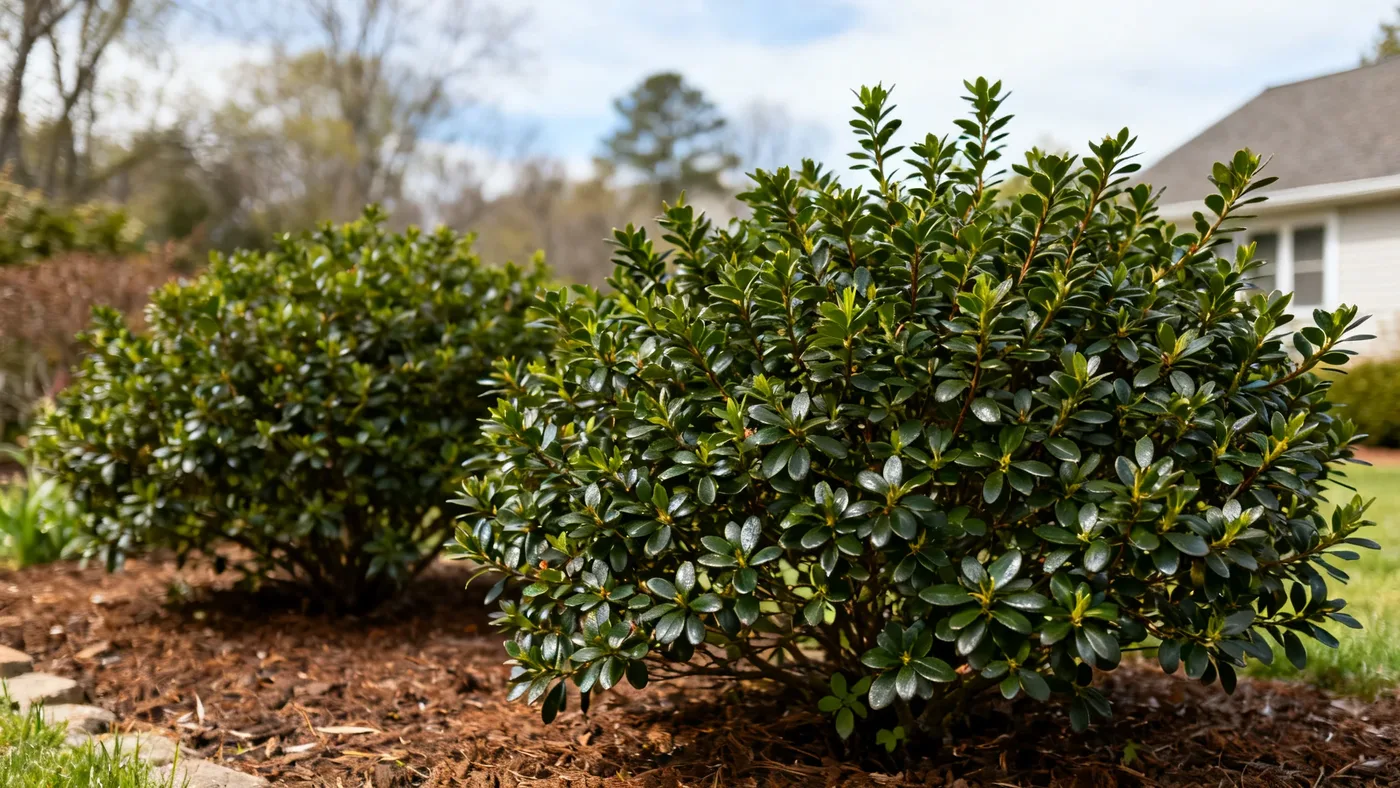
Sun Requirements for George L. Taber Azalea Explained
George L. Taber azaleas are a prized shrub in southern gardens, known for their light orchid-pink blooms with reddish-purple blotches. Getting the sun exposure right is one of the most important decisions you will make when planting one. Too much direct sun, and your foliage suffers. Too little, and you lose blooms. This guide walks you through assessing your yard and positioning your azalea for years of healthy growth.
Understanding Light Exposure: Part Shade vs. Full Sun
George L. Taber azaleas thrive in part shade to filtered sun. Morning sun with afternoon shade is ideal, especially in hotter zones like 9 and 10. This light pattern allows the plant to photosynthesize during the cool morning hours without enduring scorching midday and afternoon heat.
Full sun, typically defined as 6+ hours of direct midday or afternoon light, creates problems for this cultivar. The intense heat stresses the shallow root system, forcing it to demand more frequent watering. More importantly, full sun exposure invites azalea lace bug infestations. These tiny insects feed on leaf undersides, causing stippling (small yellow or white dots) that can quickly mar the plant's attractive dark green foliage.
In zones 7 and 8, where summers are milder, morning sun followed by dappled afternoon shade works well. In zones 9 and 10, prioritize afternoon shade more heavily. A location under a mature deciduous tree, or on the east side of a building or fence, typically provides the protection you need.
Materials and Tools You Will Need
- Notebook or phone to track sun patterns (optional but helpful)
- Soil thermometer (to check soil temperature before planting)
- Well-drained, humus-rich, acidic soil (pH 4.5 to 6.0)
- Mulch, 2 to 3 inches (pine straw or compost)
- Watering can or hose
- Container-grown George L. Taber azalea (usually available as a quart or #3 pot from nurseries)
Step-by-Step: Assessing Your Planting Location
Step 1: Track Sun Patterns Over a Week
Visit your potential planting sites at the same time each day for 7 days. Note which spots receive morning sun (6 a.m. to 10 a.m.), filtered midday light (10 a.m. to 2 p.m.), and afternoon shade (2 p.m. to sunset). Early morning sun is friendly to azaleas; afternoon direct sun is what you want to minimize. If you are planting in spring, remember that the tree canopy above will be fuller by summer, casting more shade than it does in March or April when your azalea is blooming.
Step 2: Identify Morning Sun Sources
Morning sun exposure is not optional. George L. Taber azaleas need at least 3 to 4 hours of morning light to flower reliably. Morning sun comes from the east. If your yard faces east toward a neighbor's property or a road, you likely have good morning sun. If tall evergreen trees or buildings block early light, that location will produce few blooms.
Step 3: Check Afternoon Shade Availability
Afternoon shade, ideally from 2 p.m. onward, comes from structures or trees on the west or southwest side of the planting area. A deciduous tree (dogwood, oak, or hickory) is ideal because it casts heavy shade in summer but allows light through in spring when the azalea is flowering. Evergreen trees work too but may block too much spring bloom light.
Step 4: Consider Your USDA Zone
George L. Taber azaleas are reliable in zones 7 through 10, with zones 8 and 9 being the most forgiving. If you are in zone 10 or the warmer parts of zone 9, prioritize afternoon shade more than a zone 7 gardener would. The extra heat in your region amplifies the stress of full sun exposure.
Step 5: Plan for Seasonal Light Changes
Remember that deciduous trees are bare in late fall and winter, allowing more light through than they will in summer. A spot that receives dappled shade in July may be in near-full sun in January. This is not a problem for azaleas, which are dormant or flowering, not actively growing, during those months. However, in late summer when next year's flower buds are setting, afternoon shade matters most.
Step-by-Step: Planting for Optimal Sun Exposure
Step 1: Choose the Ideal Planting Location
Select a spot with morning sun and afternoon shade. If your yard has limited options, an east-facing foundation planting (receiving morning sun and afternoon shade from the house) or a location under the dripline of a large tree are both solid choices. Avoid the south or west side of your home unless a tree or arbor will shade the afternoon sun.
Step 2: Prepare the Soil
George L. Taber azaleas prefer well-drained, humus-rich soil on the acidic side (pH 4.5 to 6.0). Dig a hole slightly wider than your container and no deeper than the root ball. If your native soil is heavy clay or alkaline, amend it with peat moss or compost to improve drainage and lower the pH. Poor drainage causes root rot, especially when combined with afternoon shade that slows soil drying.
Step 3: Plant at the Correct Depth
Set the azalea in the hole so the top of the root ball is level with the ground surface. Do not bury the base of the stem. Azaleas have shallow, fibrous roots that rot easily if soil piles up around the stem. Backfill with amended soil and gently firm it in place.
Step 4: Water Thoroughly After Planting
Water deeply to settle the soil and eliminate air pockets. The soil should be moist but not waterlogged. In afternoon-shade locations, the soil dries more slowly, so be careful not to overwater. George L. Taber azaleas are not drought tolerant, but they also hate wet feet.
Step 5: Monitor Your Plant Through the First Growing Season
During the first year, check the soil moisture weekly. In mid-morning, squeeze a handful of soil from the root zone. It should feel like a wrung-out sponge, not dry and crumbly, and not soggy. If your afternoon-shade location stays too wet even in normal summer, consider planting on a slight mound or adding a 2 to 3 inch mulch layer to improve air circulation. By late summer and early fall, as next year's flower buds form, consistent moisture becomes critical. Any drought stress at this time reduces spring bloom.
Tips for Success
Apply 2 to 3 inches of mulch around the base, keeping it a few inches away from the stem. Mulch helps retain moisture and keeps shallow roots cooler in afternoon-shade locations where air circulation is limited.
Pair your azalea with shade-tolerant companions. Ferns, hostas, and dogwoods are excellent neighbors in filtered-sun locations. These plants share the azalea's preference for acidic, well-drained soil and create a layered, woodland garden effect.
Plan for the azalea's mature size. George L. Taber azaleas reach 6 to 10 feet tall and wide, growing at a moderate rate of 6 to 12 inches per year once established. Space them 4 to 6 feet apart for a hedge, or wider for a specimen shrub. A location with afternoon shade may appear open now, but a tree grows. Position your azalea so that future shade from nearby trees will not overwhelm it.
Prune immediately after the blooms fade in spring (late April into May, depending on zone). Pruning after mid-summer risks removing next year's flower buds, which set shortly after this year's blooms drop. Light shaping is usually sufficient for George L. Taber azaleas.
Common Mistakes to Avoid
Do not plant in full sun hoping the azalea will adapt. It will not. Lace bugs, heat stress, and reduced blooms will follow. Even in zones 7 and 8, where temperatures are milder, afternoon shade is your best insurance against pest problems and water stress.
Do not plant in deep shade. A location receiving only 2 to 3 hours of morning sun will flower sparingly, and the foliage may thin over time. Azaleas are not truly shade plants, despite being shade tolerant.
Do not ignore the soil. A well-sited azalea in poor soil will struggle. Conversely, an azalea in excellent, well-drained, acidic soil can tolerate slightly more sun than one planted in clay. Get the soil right from the start.
Do not overwater simply because your site is shaded. Afternoon-shade locations receive less evaporation, so the soil stays moist longer. Always check soil moisture before watering. A soggy root zone in shade invites Phytophthora root rot, a serious and often fatal disease.
Expected Results
A George L. Taber azalea planted in proper morning sun and afternoon shade should bloom reliably each spring within 1 to 2 years of planting. The foliage will remain dark green and glossy, free of lace bug damage. The plant will grow steadily, reaching specimen size in 10 to 15 years. You can expect your azalea to live 50+ years with consistent care and proper light exposure, becoming a lasting focal point in your landscape.
Quick Reference: Sun Exposure Checklist
| Requirement | What to Look For | Yes / No |
|---|---|---|
| Morning sun (3-4 hours minimum) | Direct sun from sunrise to 10 a.m., unobstructed by buildings or evergreens | |
| Afternoon shade (2 p.m. onward) | Shade from deciduous tree, building, or fence; reduces stress in zones 9-10 | |
| Filtered light at midday | Dappled shade (not full sun) between 10 a.m. and 2 p.m. | |
| No full-sun exposure | Spot does not receive 6+ continuous hours of direct midday/afternoon sun | |
| USDA zone compatible | You are in zones 7-10 (zones 8-9 most reliable) | |
| Well-drained, acidic soil | Soil pH 4.5-6.0; amend heavy clay before planting | |
| Adequate space at maturity | No crowding from other plants at 6-10 ft. height and width |
If you have checked all boxes, you are ready to plant. For more information on caring for your George L. Taber azalea after planting, see the complete care guide. If you are curious about mature size and spacing, the growth and size guide has detailed measurements and spacing recommendations for hedges and specimen plantings.