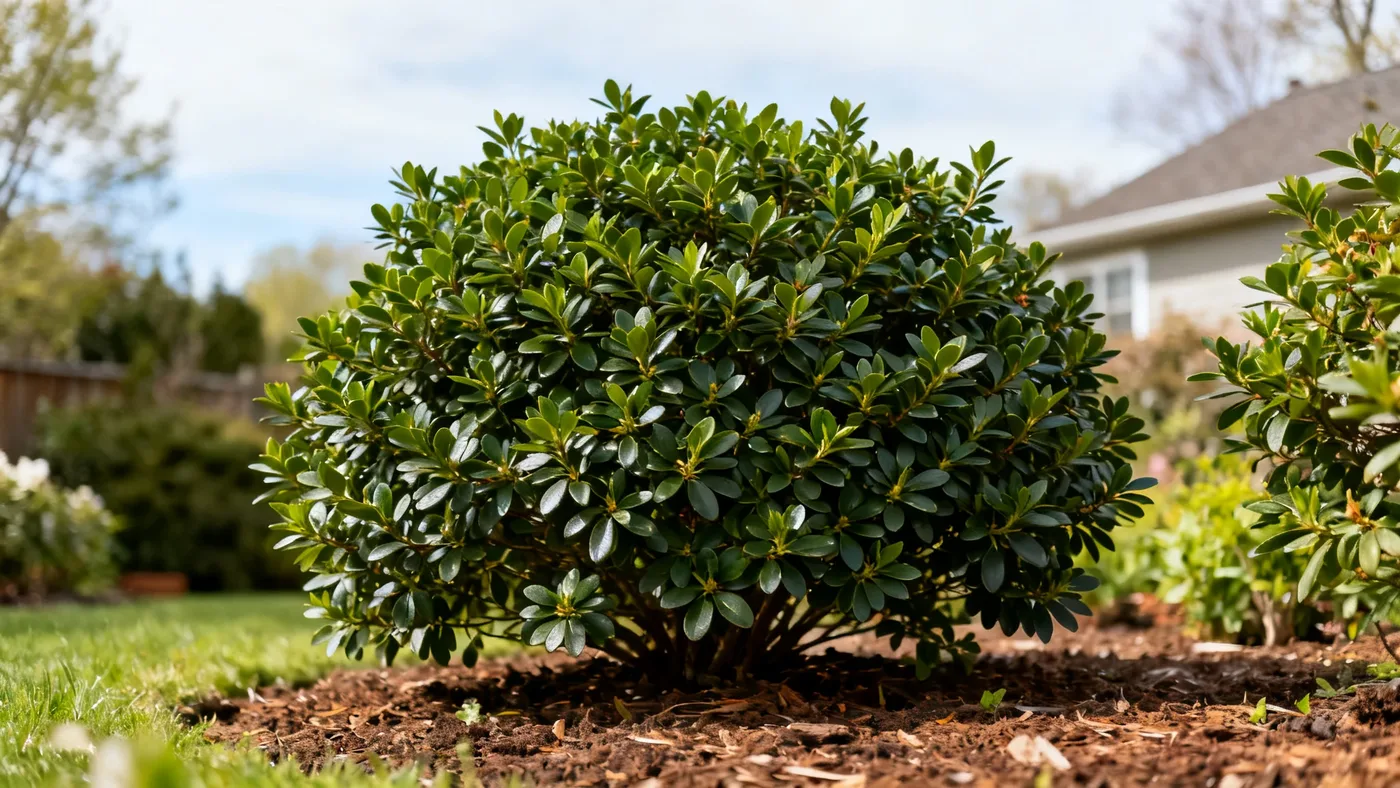
Watering George L. Taber Azalea: A Complete How-To
Getting the watering routine right is the single most important skill for keeping your George L. Taber Azalea healthy, in bloom, and thriving for decades. This evergreen shrub has shallow roots that dry out quickly, yet it also cannot tolerate waterlogged soil. The goal is consistent moisture: not soggy, not bone-dry. This guide walks you through the exact techniques and timing so you can water confidently, whether your azalea is freshly planted or already established in your landscape.
Why Watering Matters for George L. Taber Azaleas
George L. Taber Azaleas require moderate, consistent moisture once planted. Unlike drought-tolerant shrubs that store water in thick leaves or deep roots, these azaleas depend on steady access to water throughout the growing season. The roots sit in the upper layers of soil and have little tolerance for drought stress. A single extended dry spell can cause leaf browning, flower bud drop, and branch dieback that take months to recover from.
At the same time, overwatering is equally dangerous. Poor drainage or waterlogged soil invites root rot caused by Phytophthora fungi, a problem that is nearly impossible to reverse once established. Finding the balance between these two extremes is the key to long-term success.
What You'll Need
- A soaker hose or drip line (preferred) or a watering can
- A soil moisture meter or your finger for testing (knuckle depth)
- Mulch (pine bark, compost, or aged wood chips), 2-3 inches
- Optional: a timer if using a soaker hose
- Optional: a rain gauge to track rainfall
Step-by-Step Watering Guide for New Plantings
The first year after planting is critical. A newly planted azalea is establishing its root system and is more vulnerable to stress than a mature specimen.
Step 1: Water immediately after planting. Water the planting hole and surrounding soil thoroughly as soon as the azalea is in the ground. This settles the soil and eliminates air pockets around the roots. Use enough water to soak the root ball and the surrounding area 6 inches out from the stem.
Step 2: Check soil moisture every 2-3 days for the first month. Stick your index finger into the soil about 2 inches deep near the base of the plant. The soil should feel moist like a wrung-out sponge, not soggy or dry. If the top 2 inches are dry, water deeply. If it is still wet, wait another day before checking again.
Step 3: Water deeply 2-3 times per week during the first growing season. "Deep watering" means applying water slowly and steadily until it sinks down 6-8 inches. This encourages roots to grow downward rather than staying near the surface. A soaker hose left on for 30-45 minutes, or slow hand-watering with a can, works well. Avoid quick, shallow sprinkles, which wet only the top inch and encourage weak surface roots.
Step 4: Add a 2-3 inch mulch layer. After planting and initial watering, spread mulch (pine bark chips, compost, or aged hardwood) around the base, keeping it 2 inches away from the stem. Mulch conserves moisture, moderates soil temperature, and reduces the need to water as frequently. Do not pile mulch against the stem, as this can trap moisture and cause rot.
Step 5: Transition to maintenance watering after 6-8 weeks. Once the azalea has settled and new growth appears, water frequency can decrease to 1-2 times per week, depending on rainfall and weather. Keep checking the soil moisture regularly. As the plant matures through its first year, you can water less frequently if regular rain falls, but do not skip watering during dry spells in summer.
Watering Established Azaleas
An established George L. Taber Azalea, in the ground for a year or more, still needs consistent moisture but is more forgiving than a young plant. Most gardeners water once per week during the growing season (spring through early fall) unless rain has recently fallen. If rain drops 0.5 to 1 inch per week, supplemental watering may not be necessary. In hotter zones (9-10) or during extended dry periods, watering twice weekly may be needed.
Monitor rainfall using a rain gauge. If your area receives less than 1 inch of rain per week during the growing season, water the azalea deeply enough to add another 0.5 to 1 inch. For a mature azalea with a spread of 6-10 feet, this typically means 1-2 hours of slow soaker-hose watering or 3-4 gallons from a watering can applied slowly around the base.
The best time to water is early morning, before temperatures peak. This allows moisture to infiltrate the soil and reduces water loss to evaporation. Avoid watering late in the day, as wet foliage sitting overnight can encourage fungal diseases.
Seasonal Watering Adjustments
Spring (bloom time). During March-April in the Deep South, or into May further north, azaleas are flowering and actively growing. This is not the time to let soil dry out. Keep watering on a regular schedule even if spring rains seem frequent. The soil can drain quickly in spring warmth, so check moisture levels twice weekly.
Summer. July and August are stressful months. Heat and low humidity cause soil to dry faster. In zones 9-10, afternoon shade becomes even more important to reduce water stress, and you may need to water twice per week. If a heatwave occurs and temperatures stay above 90 degrees for several consecutive days, increase watering frequency and keep the mulch layer in good condition.
Fall. As temperatures cool in September and October, watering can taper off slightly, especially if fall rains arrive. However, continue regular watering through mid-fall. Do not let the soil dry out going into winter, as the plant needs adequate moisture to set flower buds for next spring's bloom.
Winter. In zones 7-8, the azalea is dormant but still evergreen. Foliage may take on a slight bronze-purple tint in cold winters. Watering frequency decreases because growth has slowed and evaporation is lower. Check soil moisture monthly; if the top 3 inches are dry and no snow or rain has fallen recently, water lightly. Do not let the plant sit in frozen, waterlogged soil.
Recognizing and Fixing Watering Problems
Overwatering: Root rot and yellowing foliage. The most common sign of overwatering is yellowing or browning leaves that feel soft or mushy. The base of the stem may become dark or soft to the touch. If you see these signs, stop watering immediately and allow the soil to dry out for several days. Check the drainage of the planting site. If water pools around the azalea or drains very slowly, you may need to amend the soil with coarse sand or compost, or plant future azaleas in a raised bed with well-drained soil. Once root rot is advanced, recovery is unlikely, but if caught early (yellowing only, no stem softness), drier conditions may halt the problem.
Underwatering: Leaf browning and bud drop. Dry soil causes leaves to brown at the edges and eventually drop. Flower buds abort without opening. Affected branches may die back. If you notice these signs mid-growing season, water deeply immediately. A wilted azalea can often recover within a day of deep watering, but damage to blooms cannot be reversed. To prevent future drought stress, install a soaker hose or drip line and set a timer, or mark your calendar to check soil moisture weekly.
Inconsistent moisture: Stress and weak growth. Watering sporadically, then letting the soil dry, then watering again, stresses the plant. Roots struggle to establish a steady uptake pattern. Foliage looks lackluster, and blooms are sparse. The solution is to commit to a regular schedule. Use a soaker hose with a timer, or water the same day each week. Consistent moisture leads to vigorous growth and abundant spring flowers.
Alkaline soil and chlorosis. If foliage yellows despite moist soil, and new growth looks pale, the problem may be soil pH rather than water availability. George L. Taber Azaleas need acidic soil (pH 4.5-6.0). If your native soil is alkaline, add sulfur to lower pH or use a specialized azalea fertilizer with chelated iron. This is separate from watering technique but affects how well the roots can use available moisture.
Quick Reference Checklist
| Situation | Watering Frequency | Signs to Look For | Action |
|---|---|---|---|
| Newly planted azalea (first 6-8 weeks) | 2-3 times per week | Top 2 inches moist, no wilting | Keep soil consistently moist; apply mulch layer |
| First-year established azalea | 1-2 times per week | Top 2-3 inches moist after 3-5 days | Reduce frequency as growth accelerates |
| Mature azalea, normal year | Once per week (or after rainfall totals less than 0.5 inch) | Soil 3-4 inches deep stays moist | Adjust for seasonal rainfall and heat |
| Spring bloom period | Once per week, twice if no rain | Soil never dries out completely | Monitor closely; flower development depends on water |
| Summer heatwave (90+ degrees) | Twice per week | Check daily; mulch prevents rapid drying | Water early morning; increase mulch if needed |
| Fall and winter dormancy | Once every 2-3 weeks (or after rain) | Soil should not be waterlogged | Reduce frequency; prevent standing water |
| Drought stress (brown leaves, wilting) | Deep watering immediately | Leaves brown at edges; some drop; branches pale | Water slowly until soil is saturated 6-8 inches deep |
| Root rot suspected (yellow, mushy leaves) | Stop watering; let soil dry | Soft stem base; yellow foliage despite moisture | Allow 3-5 days without water; improve drainage long-term |