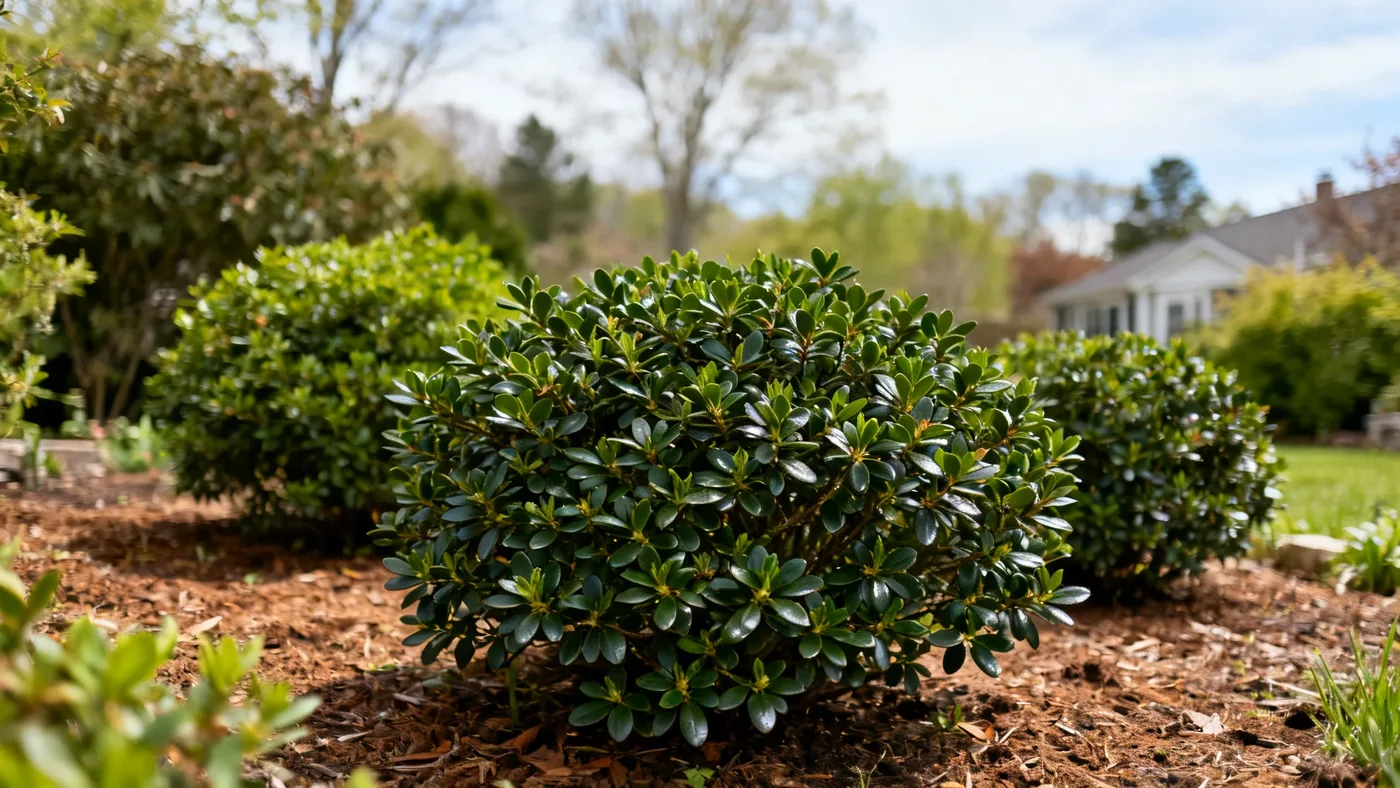
Fertilizing George L. Taber Azalea: What and When to Feed
Feeding your George L. Taber Azalea properly sets the foundation for vigorous growth and reliable spring blooms. These evergreen shrubs respond well to targeted, light feeding. The timing and choice of fertilizer matter more than the amount. Most home gardeners apply too much, not too little, so restraint is your best strategy here.
This guide walks you through exactly what fertilizer works, when to apply it, and how to avoid the most common mistakes that reduce blooms or stress your plant.
Why George L. Taber Azalea Needs Consistent Feeding
Your azalea grows at a moderate pace, roughly 6 to 12 inches per year once established. That steady growth requires nutrients, especially during the flush of new foliage and flower buds in spring. The plant's acid-loving nature means it thrives in soil with a pH between 4.5 and 6.0, a range that can be harder to maintain in naturally alkaline regions without supplemental feeding.
A well-fed George L. Taber Azalea shows deeper green foliage, fuller branching, and more prolific blooms come mid to late spring. Early spring is the critical window because the plant is mobilizing energy for that bloom cycle, which happens in March and April in the Deep South or extends into May further north in its hardiness range.
Why Acid-Forming Fertilizers Matter
Not all fertilizers are created equal for acid-loving plants. The best fertilizer for azaleas is one specifically formulated as acid-forming or labeled for acid-loving plants. These products are designed to lower or maintain soil pH, keeping the soil within that optimal 4.5 to 6.0 range.
Azalea and camellia fertilizers are your best choice. These are formulated to deliver moderate nitrogen, lower phosphorus, and potassium in ratios that support foliage and blooms without overstimulating leafy growth at the expense of flowers. An all-purpose lawn fertilizer, by contrast, often contains too much nitrogen and can shift soil pH toward alkaline over time, which leads to yellowing or chlorosis of the foliage.
You'll often see azalea fertilizers with ratios like 10-8-6 or similar. This tells you the product has light nitrogen content, which is exactly what you want. Heavy nitrogen reduces the plant's ability to set flower buds, so avoid products labeled for heavy-feeding situations.
When to Fertilize: Timing Your Feeding Schedule
The azalea fertilizer schedule for George L. Taber is straightforward: early spring, once per year. Apply your acid-forming fertilizer as soon as new growth emerges and before the plant blooms. For most gardeners, this means late February or early March in warm zones, or April in cooler climates within zones 7 to 10.
The reason is simple. The plant needs available nutrients as it's mobilizing energy upward from the roots. Feeding too late (after bloom has finished) or in summer, fall, or winter misses this critical window and can prompt tender new growth that frost might damage.
Do not fertilize in late summer or fall. This timing risks stimulating new, tender growth that won't harden off before cold weather arrives.
Materials You'll Need
- Acid-forming azalea or camellia-type fertilizer (granular, liquid, or slow-release; follow the product label for container size and coverage)
- Measuring spoon or cup (depending on fertilizer type)
- Watering can or garden hose with spray wand
- Work gloves
- Mulch (optional, for reinforcing acidic soil conditions)
Step-by-Step Guide to Fertilizing Your George L. Taber Azalea
- Check the soil moisture first. Your azalea should not be bone-dry when you fertilize. If the soil is hard and parched, water deeply one day before fertilizing. Dry soil can cause fertilizer burn. Moist soil allows roots to take up nutrients safely.
- Read the product label carefully. Every acid-forming fertilizer has its own concentration and application rate. Don't guess. Follow the manufacturer's instructions for the size and type of plant you're feeding. This is where restraint matters. A light feeding is 1 to 2 pounds of granular fertilizer per 100 square feet of planting area, or the equivalent in a liquid or slow-release form.
- Apply fertilizer to the root zone. Scatter the granular fertilizer in a circle around the base of your shrub, starting about 6 inches from the trunk and extending out to the drip line (the outer edge of the canopy). Do not pile fertilizer against the trunk. For a mature George L. Taber Azalea that reaches 6 to 10 feet wide, this circle will be fairly large. Work the granules gently into the top layer of soil or mulch with your fingers or a light rake.
- Water deeply after application. This step activates the fertilizer and carries nutrients into the root zone. Water slowly and thoroughly so the moisture soaks in at least 4 to 6 inches deep. If you're using a liquid or soluble fertilizer, dilute it according to the label and apply it to the moist soil in the same circular pattern.
- Maintain consistent moisture for two weeks after feeding. Don't let the plant dry out completely, but avoid overwatering. The goal is moist, well-drained soil. If rains are infrequent, water once or twice a week during those two weeks to help the plant absorb the nutrients it just received.
Tips for Best Results
- If you're uncertain about your soil pH, consider a simple soil test kit from your local garden center or your county extension service. Knowing your starting pH helps you choose the right fertilizer type and assess whether amendments are needed over time.
- Mulch helps maintain acidic soil conditions. A 2 to 3 inch layer of pine bark or oak leaf mulch around the base (again, not touching the trunk) reinforces the acidic environment your azalea prefers and also conserves soil moisture.
- Older plants that have reached full or near-full mature size (around 10 years in) may need slightly less fertilizer than younger, actively growing specimens. Reduce the amount by about 20 to 30 percent if you notice your plant is reaching its mature height or if new growth has slowed considerably.
- Container-grown George L. Taber Azaleas can be fed the same way, though containers do dry out faster. Check moisture more frequently and water more often during the growing season.
Common Mistakes to Avoid
- Overfertilizing. This is the number one error. Too much fertilizer, especially high-nitrogen types, promotes leafy growth at the expense of flowers. You may see a lush, green plant with few or no blooms come spring. Stick to light feeding, not heavy feeding.
- Using the wrong fertilizer type. An all-purpose or lawn fertilizer is not formulated for acid-loving plants and can shift your soil pH toward neutral or alkaline over years of application. Always choose fertilizers labeled for azaleas, camellias, or acid-loving plants.
- Fertilizing at the wrong time. Feeding in summer, fall, or winter disrupts the plant's natural cycle and can trigger tender new growth vulnerable to frost. Early spring is the window. Plant it in your calendar for late February or March (or April in cooler zones).
- Applying fertilizer to dry soil. Dry soil and concentrated fertilizer is a recipe for root burn. Always water well before and after application.
- Heaping fertilizer against the trunk. This can damage the bark and concentrate salts where roots are sensitive. Keep fertilizer in a circle around the plant, 6 inches or more from the trunk.
What to Expect After Fertilizing
A single early spring feeding supports your George L. Taber Azalea through its growing season. You should notice deeper, more robust green foliage within 3 to 4 weeks, though growth changes can be subtle. The most visible benefit arrives at bloom time, when you may observe more flowers and fuller flower clusters than in previous seasons.
Do not expect dramatic transformation from one year of fertilizing, especially if your plant has been established for many years or if your soil is heavily alkaline. Long-term, consistent feeding and soil management show their results more clearly. Year two and year three of proper feeding are often when improvement becomes most noticeable.
If your plant shows signs of nutrient deficiency (pale yellow foliage despite adequate water, sparse growth, few blooms), this may indicate a soil pH problem rather than a fertilizer shortage. Check your soil pH and consider consulting your local extension office about amendments. See our complete care guide on the basics for broader troubleshooting.
Quick Reference: When and How to Fertilize George L. Taber Azalea
| Aspect | Details |
|---|---|
| Best Time to Fertilize | Early spring (late February to March in the Deep South; April in cooler zones 7-9) |
| Frequency | Once per year |
| Fertilizer Type | Acid-forming azalea or camellia fertilizer |
| Amount | Light feeding per product label (typically 1-2 lbs. per 100 sq. ft. for granular types) |
| Application Method | Scatter around base in a circle, 6 inches from trunk to drip line; water in well |
| Avoid | Fertilizing after bloom, in summer/fall/winter; over-fertilizing; applying to dry soil; piling against the trunk |
| Soil pH Target | 4.5 to 6.0 (acidic) |
| Water After Feeding | Yes, water deeply to activate fertilizer and carry it into root zone |
| Expected Result Timeline | Foliage improvement visible in 3-4 weeks; blooms increase most noticeable within 1-2 years of consistent feeding |
Remember, your George L. Taber Azalea is not a heavy feeder. One light application of the right fertilizer type each spring keeps it healthy and sets up strong blooms. For guidance on other care essentials beyond feeding, including pruning and site selection, refer to the details on mature size and spacing.