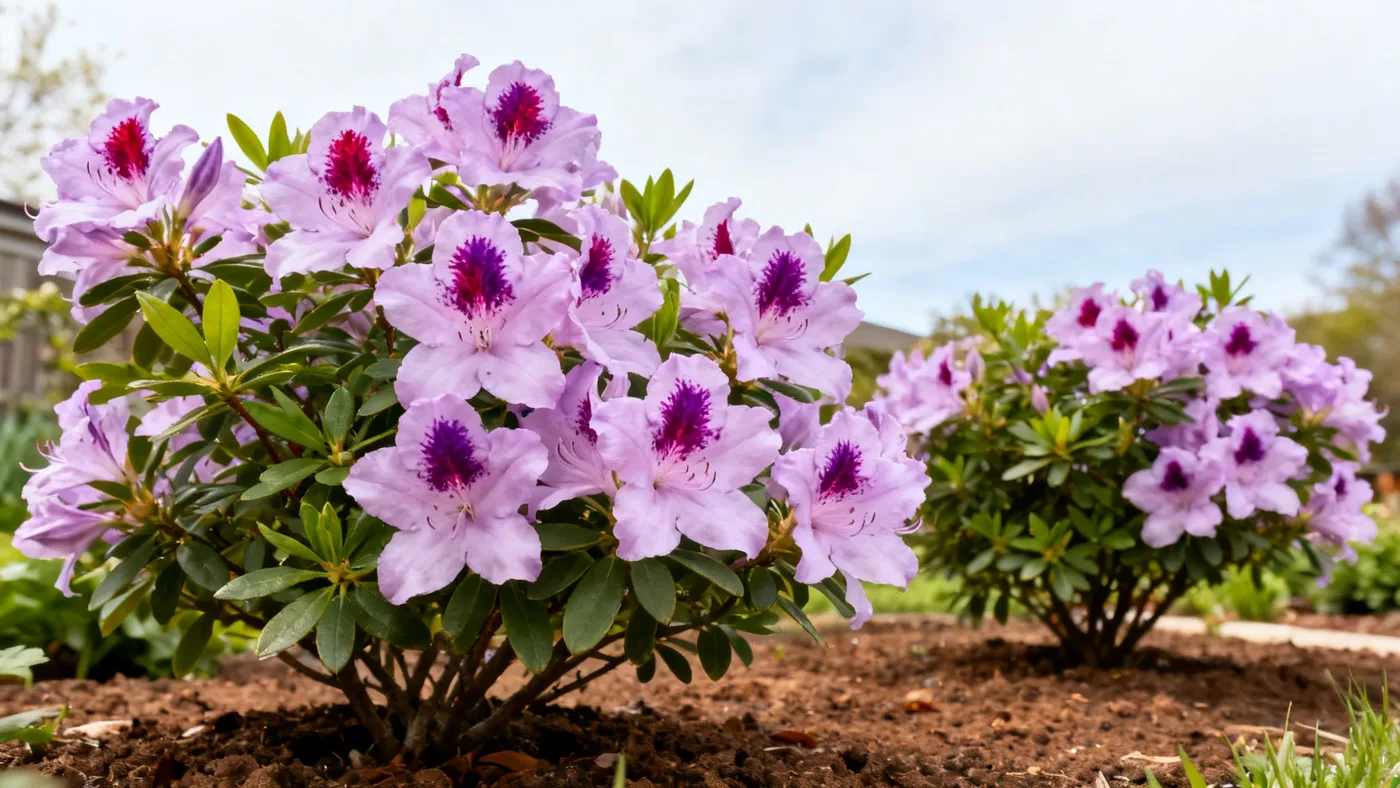
George L. Taber Azalea Bloom Time and Flower Color Guide
If you're planning a spring landscape or already have a George L. Taber Azalea waiting in your yard, understanding its bloom cycle is key to getting the most color from this evergreen shrub. George L. Taber Azaleas are reliably showy in mid to late spring, and their color palette of light orchid-pink with a distinctive darker reddish-purple blotch makes them a natural anchor for garden design. Whether you're in zone 7 or zone 10, bloom timing varies by location, and knowing these windows helps you plan companions and care accordingly. Here's what you need to know about when your plant blooms, what drives those differences, and how to maximize next spring's flower show.
When George L. Taber Azaleas Bloom
George L. Taber Azaleas flower in mid to late spring. In the Deep South (zones 8 and 9, where this cultivar thrives most reliably), expect blooms from March through April, with peak color around mid-April. Move north into zone 7, and bloom stretches into May, sometimes lasting through early May in cooler microclimates. Zone 10 gardeners typically see flowers slightly earlier, sometimes late February into March, though the peak bloom window still lands in mid-spring.
This timing is remarkably consistent year to year, assuming your plant gets adequate light and isn't heavily pruned at the wrong time. The buds actually form in late summer and fall, so what you do in summer and early fall has direct impact on your spring flower show. This is why fall preparation matters more than most gardeners realize.
One detail worth noting: "bloom time" doesn't mean a single day. The flowers open over a 2 to 3 week window, with some buds opening before others. This staggered blooming works in your favor, extending the color display well into April or May, depending on your zone. Once open, individual flowers may last 10 to 14 days. Cold snaps or harsh late-spring weather can shorten this window, but typical springs give you a solid 3 weeks of color.
The Signature Orchid-Pink Flower and Two-Tone Pattern
George L. Taber Azalea flowers are light orchid-pink with a distinctive darker reddish-purple, almost magenta blotch on the upper petal. This two-tone pattern is one of the cultivar's defining traits and what sets it apart from other azaleas you'll see in nurseries. The blotch isn't subtle; it's prominent enough to be noticed from across the garden, especially when the sun filters through the flowers in morning or late-afternoon light.
The color combination works well with many companion plants. Pair George L. Taber with white-flowering dogwoods, light green hostas, or shade-loving ferns, and the orchid-pink really stands out. Dark green evergreen foliage like hollies, boxwoods, or the plant's own glossy leaves also makes the flowers pop visually. Interestingly, afternoon shade helps preserve the richness of the pink. In full sun, the color can appear washed out, particularly in zone 9 and 10 where spring heat arrives quickly.
One practical note: George L. Taber Azalea flowers carry little to no noticeable fragrance. If scent is important to your garden plan, you'll need to pair this azalea with other fragrant spring bloomers such as magnolias, lilacs, or fragrant rhododendron species to fill that gap.
How Your Zone Affects Bloom Timing and Plant Performance
George L. Taber Azaleas are hardy in USDA zones 7 through 10, but they perform most reliably in zones 8 and 9. This range affects not just when flowers appear, but how many blooms you'll get and how vigorous your plant grows overall.
Zone 7 gardeners will see blooms shift into late April and early May. The plant survives winters, but you may experience occasional bud damage in unusually harsh years (extended subzero spells, particularly with temperature swings). When this happens, spring flower count dips. The plant recovers, but that year's display suffers.
Zone 8 and 9 gardeners are in the ideal range. These zones provide reliable winter protection for dormant buds and enough spring warmth to trigger abundant bloom. George L. Taber reaches its mature height of 6 to 10 feet and produces heavy, consistent flowering year after year in these zones.
Zone 10 gardeners occasionally face a different challenge: insufficient winter chill for reliable bud set. With this cultivar, this is rare, but it can happen in mild winters. If you're in zone 10, focus on afternoon shade and consistent soil moisture to prevent heat stress during bloom.
Light, Soil, and the Foundation for Maximum Bloom
Bloom abundance depends partly on genetics, but also on where and how you plant. George L. Taber Azaleas flower best in part shade to filtered sun. The ideal setup is morning sun with afternoon shade, particularly in hotter zones. Full shade will noticeably reduce flowering; full sun in zones 9 and 10 can stress the plant and result in fewer, smaller blooms.
Soil is equally critical. These azaleas demand well-drained, humus-rich, acidic soil with a pH between 4.5 and 6.0. Alkaline soil is their enemy. In neutral or alkaline soil, foliage yellows (a sign the plant cannot absorb iron), and blooming suffers dramatically. If your soil is heavy clay or poorly drained, amend with peat moss, compost, or bark before planting. The investment in soil prep now pays dividends in spring bloom.
Consistent moisture during the growing season supports bud formation throughout late summer and fall. These azaleas have shallow roots that dry out quickly, so poor drainage or severe drought both set you back. A 2-inch mulch layer of pine bark or compost helps retain moisture and keeps roots cool.
Light feeding in early spring with an acid-forming azalea or camellia-type fertilizer supports spring bloom without pushing excessive foliage. Avoid heavy nitrogen, which shifts energy toward leaves at the expense of flowers. Restraint beats aggression when feeding azaleas.
Pruning Timing: The Single Most Critical Decision
This is the most common mistake gardeners make. George L. Taber Azaleas bloom on old wood, meaning the flowers you see this April formed on the branches in late summer and fall of the previous year. Prune in late summer or fall, and you'll cut off next year's flowers.
The safe window: prune immediately after flowering ends, right while the plant is still in active bloom or just winding down. This typically means late April or early May, depending on your zone. Light shaping is usually all you need. Remove dead or crossing branches. Avoid heavy pruning in fall or winter; you'll regret it when spring arrives with sparse bloom.
If your plant has gotten overgrown, spread heavy pruning over 2 to 3 years, always cutting right after bloom. You'll maintain a reasonable flower display while gradually reshaping the plant.
Setting Up for Next Spring, Starting Now
Late September through fall is not the time to worry about bloom; it's time to build the foundation for success. Here's what to do:
- Check soil moisture as temperatures drop. These azaleas are not drought tolerant, and shallow roots dry out quickly in fall. Water deeply if rain is scarce.
- Avoid pruning. Any work now will remove dormant flower buds and reduce next spring's display.
- Keep the base weed-free and mulch lightly with 1 to 2 inches of pine bark or compost to retain moisture and keep roots cool through winter.
- If your plant is in full sun, consider whether afternoon shade can be added through a strategic tree or seasonal shade cloth. This protects buds from temperature swings and helps preserve flower color in spring.
- In zones 7, monitor winter conditions. Severe cold snaps followed by warm spells cause bud damage. There's little you can do to prevent this, but understanding it helps manage expectations in years when it happens.
For the complete care picture, see our complete George L. Taber Azalea care guide, which covers soil prep, watering schedules, and year-round maintenance beyond bloom season.
Mature Size and Spacing Considerations
As you plan for spring bloom, also consider that George L. Taber Azaleas mature to 6 to 10 feet tall and wide. Some older specimens in the Deep South reach 10 to 12 feet. This eventual size affects both light access and spacing with other plants. A young plant placed in what seems like shade may move into sun as surrounding trees grow or are thinned. Plan accordingly.
If you're designing a mass planting for color, space plants 4 to 6 feet apart for a dense screen. For specimen use, allow more room. Learn more about mature size and how it affects your landscape in our guide to George L. Taber Azalea size and growth.
Bloom Time Quick Reference by Zone
| USDA Zone | Typical Bloom Window | Peak Bloom | Plant Vigor Notes |
|---|---|---|---|
| 7 | April to early May | Late April | Good; occasional bud loss in severe winters |
| 8 | March to April | Mid-April | Excellent; reliable, abundant bloom year after year |
| 9 | March to April | Mid to late March | Excellent; reliable, abundant bloom; provide afternoon shade |
| 10 | Late February to April | March | Good; ensure afternoon shade in late spring heat |
Seasonal Prep Checklist
- Late summer through early fall: No pruning. Check soil moisture regularly. Mulch lightly with 1 to 2 inches of compost or pine bark. Observe bud formation.
- Fall through winter: Water deeply during dry spells. Monitor buds. Plan companion plantings and light exposure for spring.
- Early spring (2 to 4 weeks before expected bloom): Apply light feeding with acid-forming azalea fertilizer. Verify light exposure and adjust shade if possible.
- Mid to late spring (bloom window): Enjoy the flowers. Prune immediately after bloom ends, using light shaping only.
- Late spring into early summer: Resume normal watering and care. Avoid fertilizer; allow new growth to harden off naturally.