The History and Origin of the George L. Taber Azalea
The George L. Taber Azalea stands as one of the most enduring and reliable flowering shrubs in Southern gardens. Yet unlike many plants that trace their lineage to wild species discovered in distant forests, this cultivar is entirely a product of deliberate human breeding and horticultural vision. Understanding where it came from, who developed it, and why it thrives in zones 7 through 10 reveals much about both American nursery science and the horticulture of the Deep South.
Table of Contents
- The Origins of the Southern Indica Azalea Group
- Glen Saint Mary Nurseries and the Breeding Era
- George Lindley Taber: The Man Behind the Cultivar
- How the George L. Taber Fits Into Azalea History
- Why the Deep South Embraced This Cultivar
- Telling George L. Taber Apart from Related Varieties
- Growing This Historic Cultivar in Modern Gardens
Key Takeaways
- The George L. Taber Azalea is not a wild species but a deliberately bred Southern Indica hybrid cultivar, developed in the early 20th century.
- Glen Saint Mary Nurseries in Florida was the birthplace of this cultivar, where Asian Rhododendron indicum hybrids were crossed to create a heat and humidity tolerant shrub.
- The plant was named after George Lindley Taber, associated with the nursery and its breeding program.
- It became the flagship cultivar of the Southern Indica azalea group, which remains the most planted azalea type in zones 8 and 9.
- The cultivar blooms mid to late spring with light orchid-pink flowers marked by a reddish-purple blotch, and reaches mature heights of 6 to 10 feet.
- A long-lived plant, specimens often survive 50 or more years with proper siting and care, making it a multi-generational landscape investment.
The Origins of the Southern Indica Azalea Group
To understand the George L. Taber, you must first grasp where the Southern Indica azalea group came from. These cultivars did not arise spontaneously in the American South. Instead, they are the result of crossing Asian species, particularly Rhododendron indicum, with other hybrid stock brought into cultivation by horticultural explorers and nurserymen.
The Rhododendron indicum species itself hails from Asia, where it had been cultivated for centuries in Japanese and Chinese gardens. When seeds and plants made their way to Western nurseries in the 19th and early 20th centuries, American breeders recognized an opportunity. The question was straightforward: could they breed azaleas tough enough to withstand the heat, humidity, and occasional cold snaps of the Deep South?
Rhododendron indicum hybrids offered promise because they carried genetic traits suited to warm climates. Unlike hardier Northern azalea types (bred from species like R. catawbiense), these tropical and subtropical Indica hybrids could tolerate full summer heat and consistent moisture without losing vigor.
Glen Saint Mary Nurseries and the Breeding Era
Glen Saint Mary Nurseries, located in Florida, became the epicenter of Southern Indica azalea development in the early 20th century. Florida's subtropical climate made it an ideal testing ground. Breeders could observe how hybrid seedlings performed under the exact conditions where customers would eventually plant them.
The nursery's approach was methodical. They crossed selected Rhododendron indicum hybrids, then grew out the resulting seedlings for several years to evaluate hardiness, vigor, bloom color, and form. Only the most exceptional plants were propagated and eventually released to the commercial market.
This breeding work occurred during a period when American horticulture was experiencing tremendous innovation. Garden centers were expanding, suburban landscaping was becoming commonplace, and nurserymen understood that reliable, regionally adapted plants commanded premium prices and loyal customer bases.
By the early 20th century, commonly cited as the 1930s and 1940s, Glen Saint Mary had released several landmark cultivars. The George L. Taber Azalea emerged from this program as a standout performer, valued for its consistent blooming, attractive foliage, and superior heat tolerance compared to older Northern varieties.
George Lindley Taber: The Man Behind the Cultivar
The cultivar bears the name of George Lindley Taber, a figure deeply connected to Glen Saint Mary Nurseries and the advancement of Southern ornamental horticulture. While detailed biographical records of Taber are sparse today, his association with one of America's most successful nurseries speaks to his influence on the landscape plant industry.
In that era, naming a new cultivar after a respected nursery owner or breeder was customary practice. The choice signaled that the plant represented the nursery's quality standards and expertise. By naming this azalea after Taber, Glen Saint Mary was asserting confidence in the cultivar's merit and durability.
What we know conclusively is that this cultivar, called Rhododendron × 'George Lindley Taber' in botanical nomenclature, arrived in an era when Southern gardeners were desperate for reliable, beautiful flowering shrubs. Before the widespread availability of Southern Indica hybrids, many tried to grow azaleas bred for Northern climates in zones 8 and 9, only to watch them falter under summer heat and humidity.
How the George L. Taber Fits Into Azalea History
Azaleas arrived in Western ornamental horticulture through multiple pathways. Species like Rhododendron simsii (Belgian Indica azaleas) and Rhododendron indicum reached Europe and America through trade routes in the 19th century. Early gardeners, especially in milder maritime climates, grew them as tender greenhouse specimens.
But the American South demanded something different. Northern azalea types like the "Kaempferi" hybrids (which bloom earlier and tolerate more cold) still struggled with summer scorch and fungal diseases in zones 8 and 9. The gap between what was available and what actually performed remained wide.
The Southern Indica group, which includes cultivars like 'Formosa' (known for deeper magenta-purple blooms), 'Mrs. G.G. Gerbing' (a white-flowered relative), and the George L. Taber, filled that gap decisively. These plants bloomed mid to late spring (March through April in the Deep South, extending into May further north within the zone 7-10 range) and produced flowers reliably year after year.
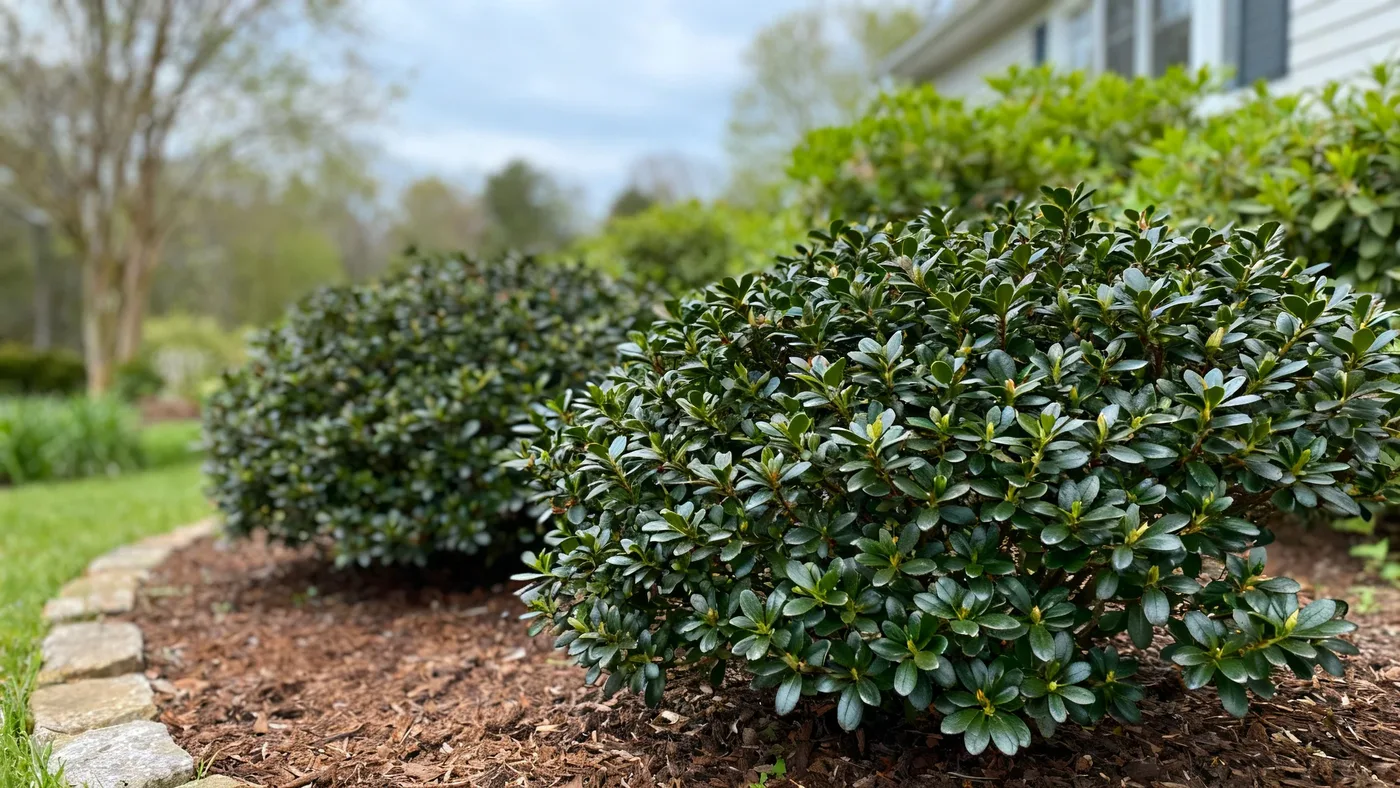
The George L. Taber distinguished itself by combining several traits Southern gardeners valued: a moderate growth rate of roughly 6 to 12 inches per year, eventual maturity at 6 to 10 feet tall and wide, evergreen foliage with small dark green glossy leaves, and the signature light orchid-pink flowers with a darker reddish-purple blotch on the upper petal.
Why the Deep South Embraced This Cultivar
The George L. Taber Azalea became most reliable and widely planted in USDA zones 8 and 9. That geographic preference was no accident. It reflects where the cultivar's genetic makeup truly shines.
Zones 8 and 9 experience the specific combination of conditions Indica hybrids were bred to handle: hot summers, high humidity, and winters that rarely drop below 10 to 20 degrees Fahrenheit. The plant's shallow root system prefers consistent, moderate moisture and well-drained, humus-rich, acidic soil (pH 4.5 to 6.0). It has low drought tolerance, so it needs reliable water, but it also demands soil that drains well to prevent root rot.
In this niche, the George L. Taber performed like no other azalea type available. It grew steadily. It bloomed prolifically. It tolerated afternoon shade well and actually preferred morning sun with afternoon shade, especially in the hotter zones. Landscapers and home gardeners planted it in foundation beds, as hedges and screens, in mass plantings, and as specimen shrubs throughout the lower South.
The cultivar's landscape uses expanded over decades. Foresters and designers recognized it as ideal for woodland garden understories, paired well with companion plants like camellias, dogwoods, ferns, hostas, and hydrangeas, and retained its dark green, glossy foliage year-round to provide winter structure.
Telling George L. Taber Apart from Related Varieties
For gardeners and nursery professionals, distinguishing the George L. Taber from similar Southern Indica hybrids remains important, especially when selecting plants. The light orchid-pink bloom color with a reddish-purple or magenta blotch on the upper petal is the definitive identifier.
The 'Formosa' azalea, a close relative and often considered a parent or sibling type within the Southern Indica group, displays noticeably deeper magenta-purple blooms. Side by side, there is no mistaking them: 'Formosa' is more saturated, while George L. Taber is softer and lighter in tone. Another sometimes-confused cultivar, 'Pride of Mobile', offers yet another bloom color. These three cultivars define the classic Southern Indica palette.
Foliage, size, and hardiness are largely comparable across these three, so bloom color and the intensity of the blotch remain your most reliable visual cues in the garden or nursery.
Growing This Historic Cultivar in Modern Gardens
One of the remarkable aspects of the George L. Taber Azalea's 20th-century origin is that the cultivar thrives just as well today as it did a century ago. Nothing in modern garden practice has diminished its value or performance.
Home gardeners and landscapers who wish to plant a George L. Taber should follow the same principles that made it successful in the 1930s and 1940s. Start with a site offering part shade to filtered sun. Choose a spot where afternoon heat is moderated by tree shade, particularly in zones 9 and 10. Prepare soil that is acidic, well-drained, and enriched with humus. Ensure consistent moisture during the growing season and avoid heavy clay or poorly drained sites where the shallow roots will suffocate.
For detailed guidance on proper planting technique, consult the step-by-step planting guide. For ongoing care, mulching, watering schedules, and seasonal management, refer to the complete care guide.
One final note on longevity: a George L. Taber Azalea planted today and given proper siting and care may easily outlast the gardener who plants it. These shrubs often live 50 years or more, sometimes reaching even greater ages. Specimens planted in the 1950s and 1960s throughout the Deep South continue to bloom reliably today, their evergreen foliage and familiar light orchid-pink flowers tying multiple generations to the same garden space.
Quick Reference: George L. Taber Azalea Historical Profile and Growing Requirements
| Characteristic | Details |
|---|---|
| Botanical Name | Rhododendron × 'George Lindley Taber' |
| Breeding Origin | Glen Saint Mary Nurseries, Florida; early 20th century (commonly cited 1930s-1940s) |
| Parentage | Southern Indica/Indian Hybrid; traces to Asian Rhododendron indicum |
| USDA Hardiness Zones | 7-10 (most reliable in zones 8-9) |
| Mature Height | 6-10 feet (some Deep South specimens reach 10-12 feet) |
| Mature Width | 6-10 feet |
| Growth Rate | Moderate; roughly 6-12 inches per year when established |
| Bloom Time | Mid to late spring (March-April in Deep South, into May further north) |
| Flower Color | Light orchid-pink with reddish-purple/magenta blotch on upper petal |
| Foliage | Evergreen; small, dark green, glossy elliptical leaves |
| Light Needs | Part shade to filtered sun; morning sun with afternoon shade (especially in hotter zones) |
| Soil Type | Well-drained, humus-rich, acidic (pH 4.5-6.0) |
| Water Requirements | Moderate, consistent moisture; low drought tolerance |
| Lifespan | Long-lived; often 50+ years with proper siting and care |
| Related Cultivars | 'Formosa' (deeper magenta), 'Mrs. G.G. Gerbing' (white), 'Pride of Mobile' |