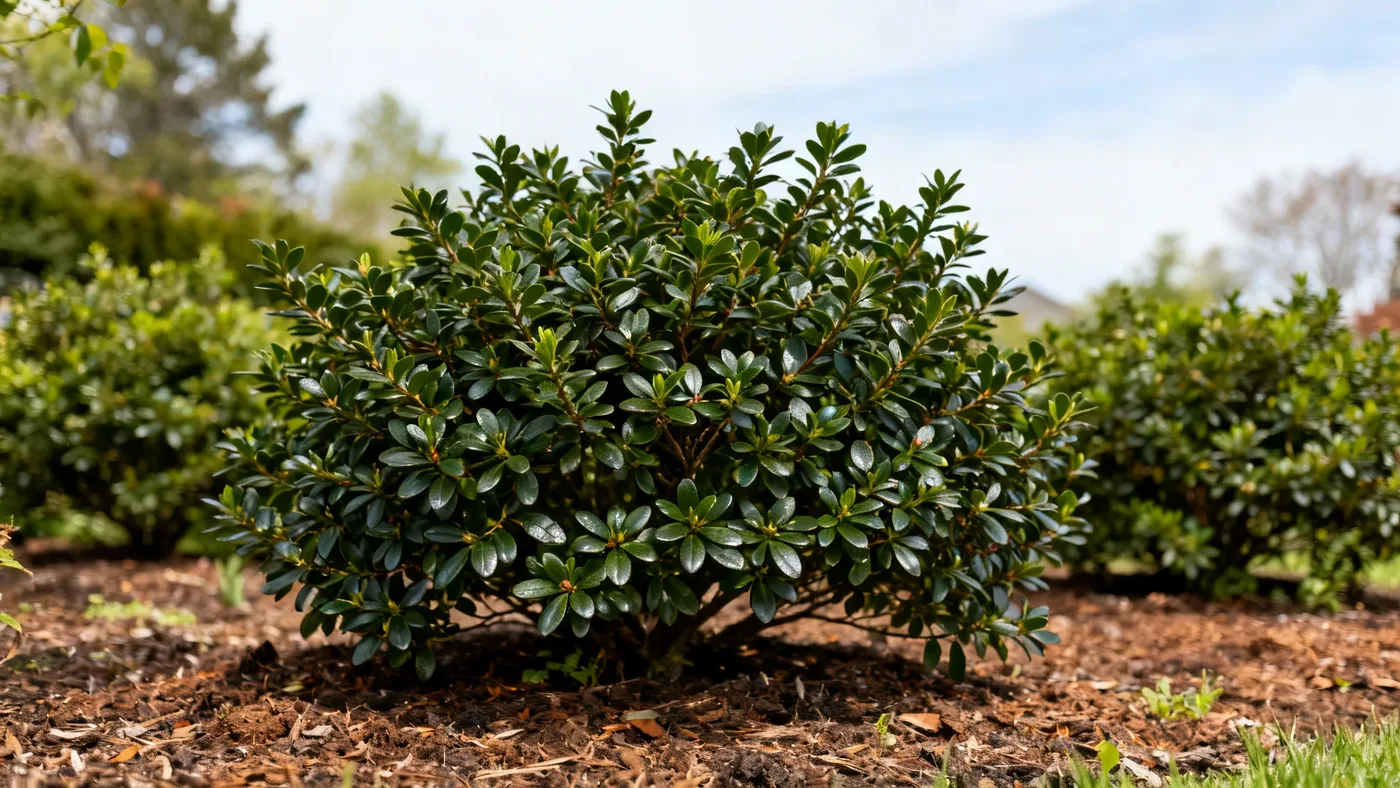
Winter Care for George L. Taber Azalea in Cold Climates
George L. Taber Azalea thrives in zones 7 through 10, with the most reliable performance in zones 8 and 9. If you're growing this evergreen shrub at the colder end of its range, a few targeted winter care steps will protect your plant from frost damage, keep roots healthy through freeze-thaw cycles, and set it up for vigorous spring blooms. Unlike deciduous plants, your George Taber retains its dark green, glossy foliage year-round, which means it faces unique winter stresses: water loss through those evergreen leaves, root damage in poorly drained soil, and potentially a bronze-purple tint to the foliage when temperatures drop hard.
Why Winter Care Matters for This Azalea
George L. Taber Azalea is not drought tolerant once established, and its shallow root system dries out quickly. Winter compounds this risk. Freezing temperatures can pull moisture from the soil faster than roots can absorb it, a condition called "winter desiccation." Even when soil temperature is below freezing, sunny days can cause the evergreen foliage to lose water through the leaves while the frozen roots supply none. Additionally, repeated freeze-thaw cycles can heave shallow roots upward and snap them.
Protecting your George Taber through winter is simpler than it sounds and costs very little. A layer of mulch, consistent fall watering, a sheltered location, and attention to soil drainage will handle most of the work. If you live in zone 7, where winter lows commonly reach 5 to 10 degrees Fahrenheit, extra attention to siting and winter moisture will pay off year after year.
Zone-by-Zone Winter Expectations
Zones 8 and 9: These are the ideal zones for George L. Taber. Winter lows typically range from 10 to 20 degrees Fahrenheit. Basic mulching and consistent moisture usually suffice. Little additional winter protection is needed beyond standard care.
Zone 7: Winter lows can drop to 5 degrees or lower. Your George Taber will survive with proper siting (morning sun, afternoon shade, shelter from harsh winter winds), but protection is essential. Mulch thicker, water more carefully in fall and early winter, and consider a wind screen in exposed sites.
Zone 10: Frost risk is minimal, but winter watering is still critical because plants may go dormant or semi-dormant and require consistent soil moisture even though visible growth has slowed.
Materials You Will Need
- Mulch (pine bark, aged hardwood chips, or shredded leaves): 3 to 4 inches depth needed
- Hose or drip irrigation for fall and early winter watering
- Optional: burlap or frost cloth for zone 7 plants in exposed sites
- Optional: wooden stakes or tomato cages to support burlap if wind damage is a concern
- Soil moisture meter (useful for gauging fall and winter watering needs)
Step-by-Step Winter Protection
Step 1: Establish Proper Siting (If Planting Before Winter)
Location is your first line of defense. Choose a spot that receives morning sun and afternoon shade, especially in zone 7. Avoid full sun in winter, which intensifies desiccation stress on the evergreen leaves. Also avoid windswept corners of the garden or the south side of a building if you live in a region with strong winter sun and freeze-thaw cycles. Shelter from winter winds is invaluable. If your garden offers no natural shelter, consider a location on the east side of a wall or fence where morning sun is gentle and afternoon wind is blocked.
Step 2: Check and Improve Soil Drainage (Fall)
Before winter arrives, confirm your soil drains well. George L. Taber Azalea does poorly in heavy clay or poorly drained sites and is especially vulnerable to root rot if water pools around the base in winter. Dig a hole 12 inches deep and 12 inches wide next to your plant. Fill it with water. If water is still present after 4 hours, drainage is poor and you need to amend the soil or relocate the plant to a better-draining spot before winter.
If drainage is adequate, proceed to mulching. If drainage is poor, work 3 to 4 inches of compost or aged pine bark into the top 8 inches of soil around the plant in fall, or plan to relocate to a raised bed or mound before the ground freezes.
Step 3: Apply Mulch in Late Fall
Once the ground begins to cool (usually mid to late October in zone 8, earlier in zone 7), apply a 3 to 4 inch layer of mulch around the base of your plant. Use pine bark, aged hardwood chips, or shredded leaves. Mulch serves three purposes: it insulates shallow roots from extreme temperature swings, it slows water loss from the soil surface, and it suppresses heaving caused by repeated freeze-thaw cycles.
Keep mulch 2 to 3 inches away from the stem to prevent rot and rodent damage. Extend the mulch layer out to the drip line of the shrub (roughly the outer edge of the branches) to protect the entire shallow root zone. If you are in zone 7, consider a 4-inch depth rather than 3 inches for extra insulation.
Step 4: Water Thoroughly Before the Freeze
A well-hydrated plant is more resilient to winter stress. In fall, before the first hard freeze, water your George Taber deeply. The goal is to saturate the root zone to a depth of 8 to 10 inches. A slow, soaking watering is better than a quick sprinkle. Check the soil 6 inches down; it should feel moist but not waterlogged. This deep fall watering helps roots absorb water before soil temperatures drop too low.
Step 5: Monitor Winter Moisture (December Through February)
Winter is not a "hands-off" season for winter care. Evergreens lose moisture through their leaves even in winter, and if a freeze has locked the soil, roots cannot replace that lost water. During winter, check soil moisture every 2 to 3 weeks. Dig 2 to 3 inches into the mulch. If the soil feels dry, water deeply. A soil moisture meter takes the guesswork out of this task. Aim to keep soil consistently moist, not wet.
Water on a mild day when temperatures are above freezing, so water can penetrate the soil before it refreezes. Early morning watering is ideal. Avoid watering on days when temperatures will drop below freezing that night, as standing water on the foliage or surface can freeze and increase frost damage risk.
Step 6: Wind Protection for Zone 7 (Optional but Recommended)
If your garden is in zone 7 or exposed to strong winter winds, consider wrapping the shrub loosely with burlap in December. Do not wrap it tightly or with plastic, as this traps moisture and causes rot. Instead, create a loose windbreak by driving two or three stakes around the plant and securing burlap to them with twine. Leave the top open for air circulation. The goal is to reduce wind-driven desiccation, not to create a sealed tent. Remove the burlap in late February or early March, before new growth begins.
Alternatively, if the plant sits in a naturally windy corner, plant a low evergreen shrub or screen on the windward side to create shelter.
Step 7: Inspect for Frost Crack and Winter Damage (Late February to Early March)
As temperatures begin to warm in late winter, inspect your George Taber for damage. Look for split or cracked bark on the main stem, broken branches from heavy snow or ice, or excessive browning of the foliage. Some bronze-purple tinting of the leaves in cold winters is normal and will fade as temperatures warm. If you see severe damage, hold off on heavy pruning until after the plant leafs out in spring, when you can see which branches are truly dead.
Common Winter Problems and How to Solve Them
| Problem | Cause | Solution |
|---|---|---|
| Dried, brown foliage in late winter | Winter desiccation from frozen soil and dry air | Improve mulch depth to 3-4 inches; water in winter when soil is unfrozen; choose more sheltered siting for future plants |
| Plants heaving out of the ground | Freeze-thaw cycles pushing shallow roots upward | Add 3-4 inches of mulch to insulate soil and reduce heaving; gently press plants back into soil if heaving occurs; improve drainage |
| Root rot and soft stems | Poor drainage and waterlogged soil in winter | Cease watering immediately; check soil drainage; amend with compost or raise bed for better drainage in future |
| Branch breakage from ice or snow | Heavy ice or wet snow accumulation | Gently brush off snow if safe to do so; do not shake branches; prune broken limbs in spring after leaf-out; choose site with less wind exposure |
| Bronze or purple leaf tint | Normal cold response in evergreen foliage | No action needed; color will fade as temperatures warm in spring |
Tips to Avoid Cold Damage
- Do not fertilize after late July. Late-season fertilizing, especially with high-nitrogen products, pushes tender new growth that is easily damaged by early frost. For guidance on overall care, see our complete George L. Taber care guide.
- Avoid heavy pruning in late summer or fall. Pruning stimulates new growth that may not harden off before cold weather. If pruning is necessary, do it immediately after spring bloom. See our pruning guide for timing and technique.
- Do not wrap the entire plant in plastic. Plastic traps moisture and can cause rot. Use breathable burlap only if wind protection is truly necessary.
- Water deeply but not excessively. Waterlogged soil in winter causes root rot faster than freezing does. The goal is consistent moisture, not saturation.
- Water on warm days. Watering on a day when temperatures will drop below freezing that night can damage the plant. Choose mild winter days with temperatures above 40 degrees Fahrenheit.
- Leave winter mulch in place until late March. Removing mulch too early can expose shallow roots to frost heave and desiccation. Gradually pull mulch back as temperatures stabilize in spring.
What to Expect After Winter
A well-protected George L. Taber Azalea will emerge from winter with intact foliage and vigorous spring growth. The bronze or purple tint to the leaves will fade within 2 to 3 weeks of warmer weather. Blooms appear in mid to late spring (March to April in the Deep South, into May further north), and the plant should produce the same quantity and quality of flowers as it would without winter stress if you have followed these steps.
If your plant experienced some winter damage, new growth will fill in by midsummer. Avoid pruning heavily until you see which branches have survived and which are truly dead.
Quick Reference Checklist
| Task | When | Zone 7 | Zones 8-9 | Zone 10 |
|---|---|---|---|---|
| Water deeply | October-November | Yes | Yes | Yes |
| Apply mulch (3-4 inches) | Mid-late fall | 4 inches | 3 inches | 3 inches |
| Check soil moisture | Every 2-3 weeks Dec-Feb | Essential | As needed | As needed |
| Water during winter (unfrozen soil) | Dec-Feb | Yes | If dry | If dry |
| Apply burlap wind screen (optional) | December | Recommended | Optional | Not needed |
| Remove mulch gradually | Late Feb-March | Late March | Late March | Late Feb-March |
| Inspect for frost damage | Late February-March | Yes | Yes | Yes |